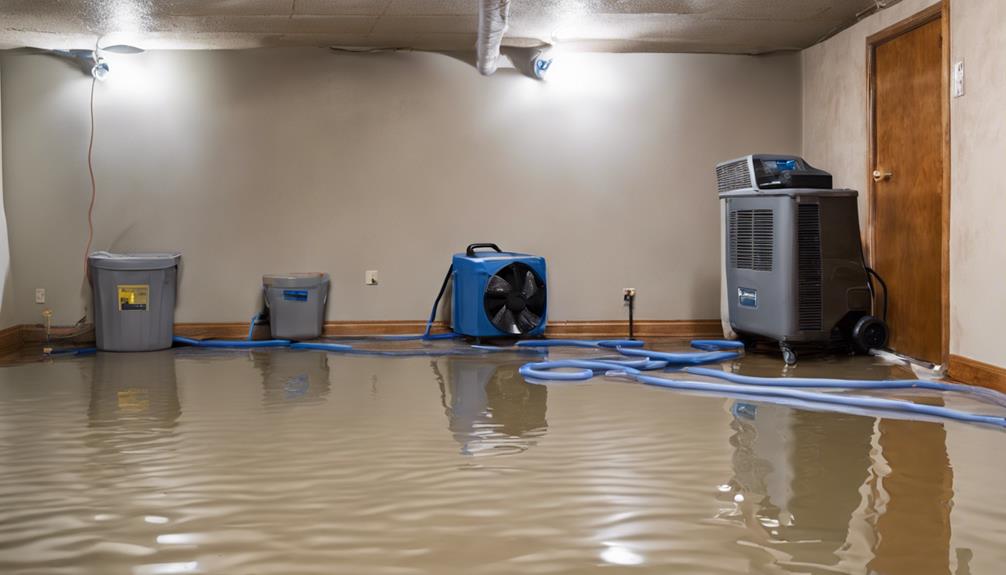
Basement water damage in Sherman Oaks can happen quickly, especially during heavy rains. It's important to act fast to prevent further issues, like mold growth or structural damage. You should check your basement regularly for signs of moisture and ensure drainage systems are clear. Professional help is available from IICRC certified technicians who can assess the damage and recommend targeted restoration solutions. They use advanced equipment to effectively remove water and minimize future risks. Taking proactive steps now can safeguard your home. There's plenty more to discover about how to manage water damage effectively.
At First To Respond Restoration, we understand the stress and urgency that comes with water damage in your basement, which is why we offer 24/7 emergency services in Sherman Oaks.
Our team of IICRC certified restoration technicians is dedicated to providing you with immediate assistance, conducting thorough assessments to identify the extent of the damage and implementing tailored solutions to meet your specific needs.
Timely restoration prevents long-term damage to your property, and we utilize advanced water extraction equipment that effectively removes standing water.
Additionally, we provide sump pump installation and drainage systems that prevent future issues, ensuring your home is restored to its pre-loss condition.
Furthermore, our comprehensive mold remediation services address any health hazards linked to moisture buildup, creating a safe environment for you and your family.
We also assist you in navigating the insurance claims process, providing the necessary documentation and support to secure coverage for your repairs, so you can focus on getting your life back to normal.
At WDLA, we provide complete water damage restoration services right here in Sherman Oaks, ensuring your basement is safe and dry.
Our experienced technicians are skilled in professional expertise to handle everything from water removal to mold remediation, so you can feel secure in your home again.
We're here 24/7, ready to respond quickly to any emergency and help you get back on track.
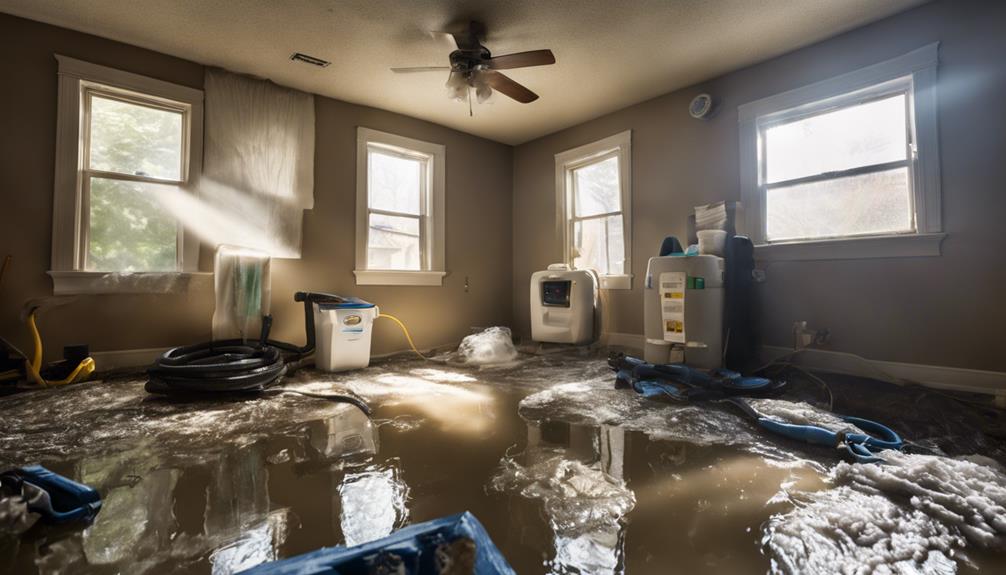
When disaster strikes your home or business in Sherman Oaks, WDLA – Water Damage Los Angeles is ready to provide complete water damage restoration services tailored to your needs.
Our team specializes in addressing various issues, including flood damage repair, burst pipes, mold remediation, and sewage cleanup. We understand how stressful Sherman Oaks water damage can be, and that's why we're here to help.
Our experienced and certified technicians use state-of-the-art equipment to quickly assess and address the damage, ensuring your property is safe and secure.
We collaborate with your insurance provider for direct billing, making the process smoother for you.
Our customer-centric approach means we prioritize your needs throughout the restoration process. We know that time is of the essence when it comes to water damage, and we're committed to acting swiftly to restore your home.
With WDLA, you can expect professionalism and a reliable team ready to tackle any challenge.
Don't let water damage disrupt your life; contact us today to learn more about our comprehensive water damage restoration services and how we can help you restore your home.
Call us at (323) 825-3485.
Water damage can strike unexpectedly, and knowing the right services to call on can make all the difference. At WDLA – Water Damage Los Angeles, we offer comprehensive water damage restoration tailored to your needs.
Whether it's a minor leak or a major flood, our experienced team is ready to help restore your Sherman Oaks property.
Our services include:
With 24/7 emergency services, we're always on call to ensure you get the immediate assistance you need.
Our state-of-the-art equipment and certified technicians guarantee effective water cleanup, so you can trust that your property is in good hands.
Plus, we work directly with your insurance, making the process smoother for you.
Don't let water damage linger—reach out to WDLA for reliable, professional service you can count on. Call us at (323) 825-3485 today!
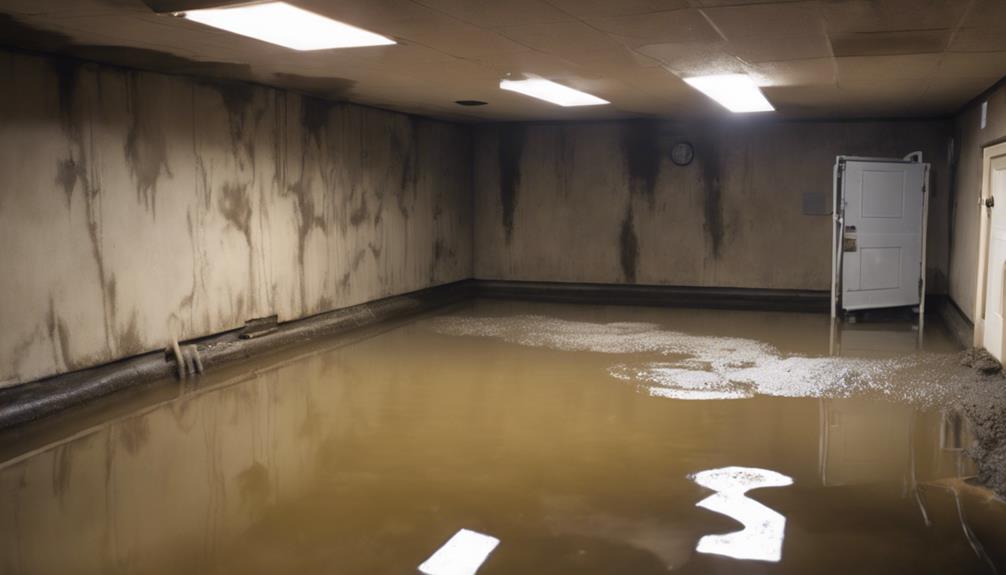
If you're facing water damage in your home, WDLA – Water Damage Los Angeles is here to help. Based in Sherman Oaks, this company specializes in comprehensive water damage restoration services, including emergency flood cleanup and mold remediation.
Their team consists of IICRC certified technicians, ensuring that you receive high-quality service. With their expertise in various water damage scenarios, they can effectively handle the water damage restoration process from start to finish, minimizing downtime and preventing further issues.
WDLA offers 24/7 emergency response services, which means you can get prompt assistance when unexpected water intrusion occurs. They utilize advanced techniques such as moisture detection, water removal, and structural drying to restore your property to its pre-damage condition.
Moreover, WDLA is committed to educating homeowners about water damage prevention, helping you understand how to protect your home in the future. They also provide free estimates for restoration work, allowing you to make informed decisions without any pressure.
With a reputation for professionalism and a customer-centric approach, WDLA aims to make the restoration process as smooth as possible for you.
When you need reliable water damage restoration services in Sherman Oaks, you can count on WDLA to act quickly and effectively. Your peace of mind is their priority.
Protect your home and peace of mind—schedule your free consultation today to uncover the hidden risks of basement water damage in Sherman Oaks!
Sherman Oaks offers a blend of attractions and neighborhoods that make it a unique place to live.
You can explore parks and enjoy the Mediterranean climate, which brings warm summers and mild winters, but also the risk of seasonal water issues.
As you consider the best sights and neighborhoods, keep in mind how the weather can impact your home, especially if you have a basement.
Nestled in the heart of the San Fernando Valley, Sherman Oaks offers a delightful blend of natural beauty and urban charm. One of the best sights to visit is Van Nuys-Sherman Oaks Park. This expansive park features sports fields, walking trails, and picnic areas, making it perfect for outdoor activities.
If you're in the mood for shopping or dining, head over to the Sherman Oaks Galleria. This vibrant destination has a mix of retail stores, restaurants, and entertainment options that cater to everyone.
For history buffs, the iconic Sherman Oaks Castle stands as a remarkable landmark, showcasing the area's architectural charm. You'll also appreciate the diverse culinary scene, with eateries ranging from trendy cafes to upscale dining experiences, reflecting the community's multicultural influences.
Moreover, Sherman Oaks is conveniently located near major attractions in Los Angeles, like the Hollywood Hills and Universal Studios, allowing you to explore the greater region easily.
Whether you're enjoying a peaceful day at the park or indulging in delicious food, Sherman Oaks has something for everyone while enhancing your experience with the best sights to visit.
When it comes to finding the best neighborhoods in Sherman Oaks, you'll discover a variety of options that cater to different lifestyles and preferences. Sherman Oaks features a mix of single-family homes, townhouses, and apartments, making it appealing to many residents.
If you're looking for a family-friendly environment, you'll appreciate the excellent schools and parks available, perfect for parents focused on quality education for their children.
The neighborhood's convenient location near the 101 and 405 freeways provides easy access to downtown Los Angeles and surrounding areas, which is great for commuting. Along Ventura Boulevard, you'll find a vibrant dining and shopping scene, offering plenty of entertainment and leisure activities right at your doorstep.
Moreover, Sherman Oaks boasts a strong sense of community. Local events and farmers' markets foster connections among residents, enhancing the neighborhood's charm.
However, it's wise to be aware of potential water damage issues, especially in basements, as they can affect your home. If you ever face such challenges, consider reaching out to professionals like WDLA – Water Damage Los Angeles for assistance. Their expertise can help restore your home and ensure it stays a wonderful place to live.
Understanding the seasonal weather in Sherman Oaks is vital for homeowners, especially when considering the potential impact on properties. This region has a Mediterranean climate, featuring hot, dry summers and mild, wet winters.
You can expect about 18 inches of rainfall annually, with most of it falling between November and March. During this winter period, heavy rains and occasional storms can significantly increase the risk of basement water damage.
As temperatures rise to the mid-90s°F in summer and drop to the mid-40s°F during winter nights, it's essential to be proactive. These temperature fluctuations can create conditions that exacerbate water issues if not properly managed.
To prevent water damage in your basement, it's crucial to implement effective waterproofing measures. Regularly check your drainage systems and seal any cracks in your foundation, especially before the rainy season hits.
If you're facing basement water damage in Sherman Oaks, don't hesitate to reach out to WDLA – Water Damage Los Angeles. Their expert team is ready to assist you 24/7, ensuring your home is restored quickly and efficiently. With their advanced equipment and commitment to customer satisfaction, you can feel confident that your needs are a priority. Remember, timely action can prevent further issues, so call WDLA today and take the first step towards restoring your basement.
If you're dealing with water damage, it's crucial to act fast. Call a professional restoration service like SERVPRO, as they specialize in water damage and offer 24/7 emergency assistance. You might also contact a licensed plumber to address any leaks or plumbing issues. If structural damage is evident, a skilled carpenter can help with repairs. Don't forget to notify your insurance company to understand your coverage. The longer you wait, the more severe the damage can become, so swift action is essential. There's more to know about the restoration process and prevention tips.
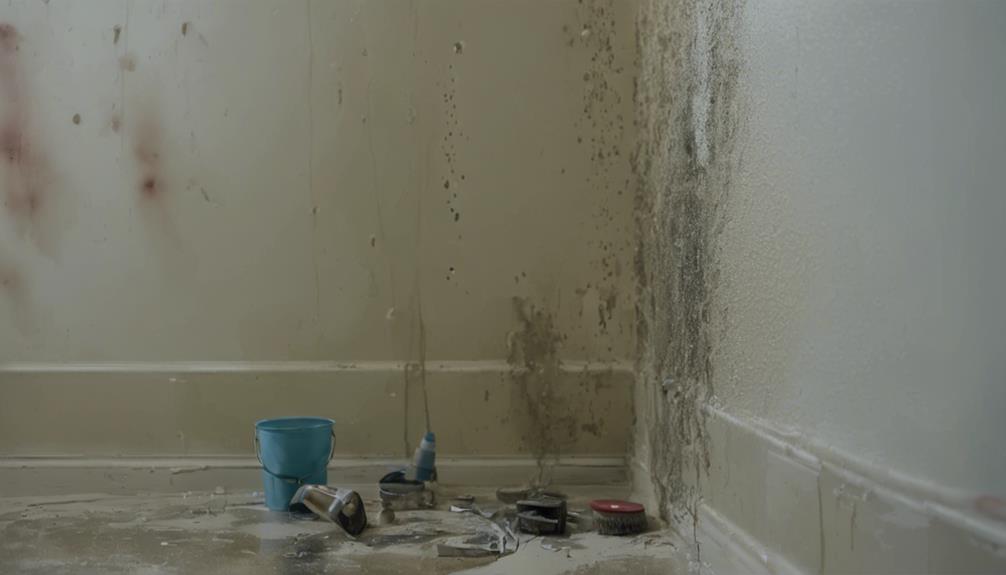
Water damage can strike unexpectedly, and understanding its risks is essential for any homeowner. Various sources of water, like burst pipes, overflowing sinks, or roof leaks, can lead to significant structural issues within just 24 hours if you don't act quickly. Ignoring these problems can result in costly repairs and a loss of property integrity.
It's important to recognize that insurance coverage for water damage can vary, and knowing how your policy works can make a significant difference in your recovery process. One of the most alarming consequences of untreated water damage is mold growth. Mold can develop rapidly and pose serious health hazards, including respiratory issues and skin irritations.
To prevent mold, it's crucial to address water damage immediately. You should consider seeking professional help to assess the situation accurately. They can identify the source of water damage and determine the extent of the impact on your property, ensuring a proper water damage restoration plan.
It's also vital to be aware of your insurance claims. Many policies may cover sudden, accidental damages but often exclude maintenance-related issues. Understanding your coverage can save you from unexpected out-of-pocket expenses.
Noticing early signs of water damage, like leaks or stains, should prompt you to act fast. Your first step is to turn off the water supply to prevent further issues.
Then, it's time to call a plumber. Professional plumbers have the expertise to identify the source of the problem quickly. Whether it's a burst pipe or a persistent leak, they can handle water damage repair effectively, minimizing potential structural damage to your home.
Ignoring plumbing issues can lead to serious complications, including mold growth and skyrocketing repair costs. If you try to tackle these repairs on your own, you might make things worse, resulting in even higher expenses.
Hiring a licensed plumber ensures that repairs are done properly and safely. Comprehensive plumbing services can address various issues, from fixing leaky pipes to unclogging drains.
Companies like Mr. Rooter Plumbing even offer free plumbing checkups, which can help you maintain system efficiency and catch problems before they escalate.
Don't wait until it's too late—when you spot the signs of water damage, reach out to a professional to restore your home swiftly and effectively.
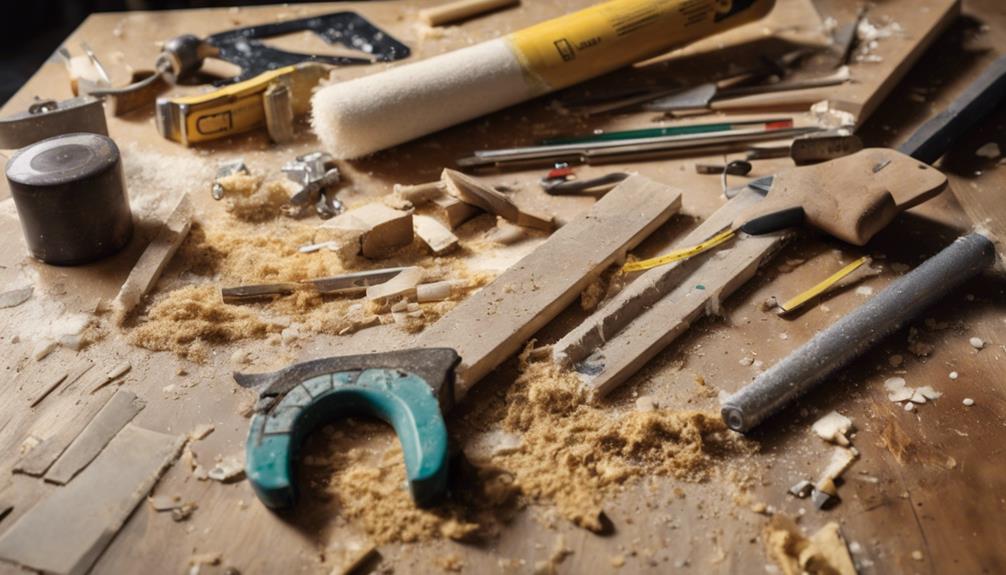
After addressing the plumbing issues, you'll need a skilled carpenter to tackle the structural damage that may have occurred.
Carpenters play a crucial role in the repair services that follow water removal, ensuring your home's integrity is restored. They assess the extent of damage to walls, flooring, and roofs, determining which materials need replacement and which can be salvaged.
A carpenter's expertise involves measuring, cutting, and fastening materials to restore these vital structures. They interpret blueprints and often collaborate with plumbers and electricians, ensuring a comprehensive approach to the restoration process.
This teamwork is essential for addressing any underlying issues caused by the water damage.
While there's no specific certification required to become a carpenter, their diverse skill sets and practical experience in construction make them invaluable during recovery.
After water damage, you want someone who understands the nuances of repair and can execute the necessary work efficiently. By hiring a qualified carpenter, you ensure that your home not only looks good after repairs but is also safe and structurally sound for the future.
When you face water damage, choosing SERVPRO for restoration means accessing comprehensive services tailored to your needs.
Their advanced equipment and trained professionals ensure that your property gets the thorough care it requires.
With SERVPRO, you can trust that your restoration process will be efficient and effective.
Choosing the right restoration service can feel overwhelming, especially when you're dealing with water damage. That's why SERVPRO stands out as the #1 choice in cleanup and restoration. With over 50 years of experience and more than 2,000 franchises across the U.S. and Canada, they know how to tackle the problem effectively.
Here are a few reasons to consider SERVPRO for your restoration needs:
When you face water damage from a leak or flooding, SERVPRO's trained professionals will assess the water source and act swiftly, minimizing further damage.
Their approach encompasses everything necessary for restoring your home to its pre-loss condition, ensuring that repairs are handled efficiently and safely. You can trust SERVPRO to manage your cleanup and restoration needs with professionalism, making your experience as stress-free as possible.
With their dedication to high-quality service, you'll feel confident that your home is in good hands.
SERVPRO's commitment to effective restoration goes beyond excellent customer service; it also includes the use of advanced equipment that sets them apart in handling water damage.
Their professional teams utilize industrial-grade dehumidifiers and air movers to efficiently dry out affected areas, significantly reducing the risk of mold growth. This proactive approach is crucial in any restoration process.
When you choose SERVPRO, you're selecting experts equipped with advanced extraction tools, such as truck-mounted water extractors, designed to remove large volumes of standing water quickly and effectively.
Their teams are also trained to identify hidden damage using moisture meters and thermal imaging cameras, ensuring no issues are overlooked.
Additionally, SERVPRO employs specialized cleaning agents and antimicrobial treatments to sanitize and deodorize affected areas, promoting a safe environment after restoration.
Adhering to industry standards and best practices, they guarantee that all processes are performed efficiently and in compliance with local regulations.
This holistic approach to water damage restoration means you can trust SERVPRO to restore your property to its pre-loss condition while ensuring the safety and comfort of your space.
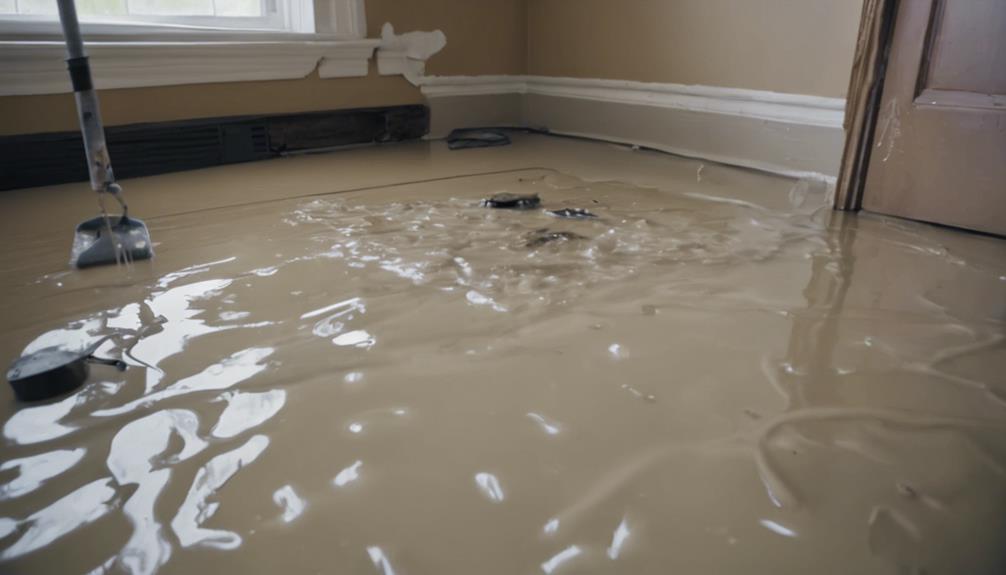
Water damage can be overwhelming, but taking immediate action can significantly reduce its impact. Start by assessing the situation and following these crucial steps:
If you find hidden water or suspect mold and mildew, it's essential to act quickly.
Initiate restoration efforts within 24-48 hours to minimize risks. If you need assistance or advice on how to fix a water leak, don't hesitate to contact us.
Taking these initial steps can help prevent further complications and keep your home safe.
Taking swift action after water damage is vital for protecting your property and health. Timely action can make all the difference in preventing further damage and minimizing repair costs.
When water damage occurs, delays can escalate the situation beyond repairable limits, leading to significant financial burdens.
Mold can start to grow within just 24-48 hours of water exposure, posing serious health risks to you and your loved ones. Immediate professional intervention is crucial to combat mold and ensure a safe living environment.
By reaching out to experts who operate 24/7, like SERVPRO, you're ensuring a quick response that mitigates damage and restores your property to its pre-loss condition.
Acting promptly not only reduces the duration of restoration efforts but also significantly cuts down on overall costs. Remember, every hour counts when dealing with water damage.
If you fail to address the issue quickly, you risk serious health issues, including respiratory problems and skin irritations caused by mold and bacteria.
Don't wait—take action now to protect your property and well-being.
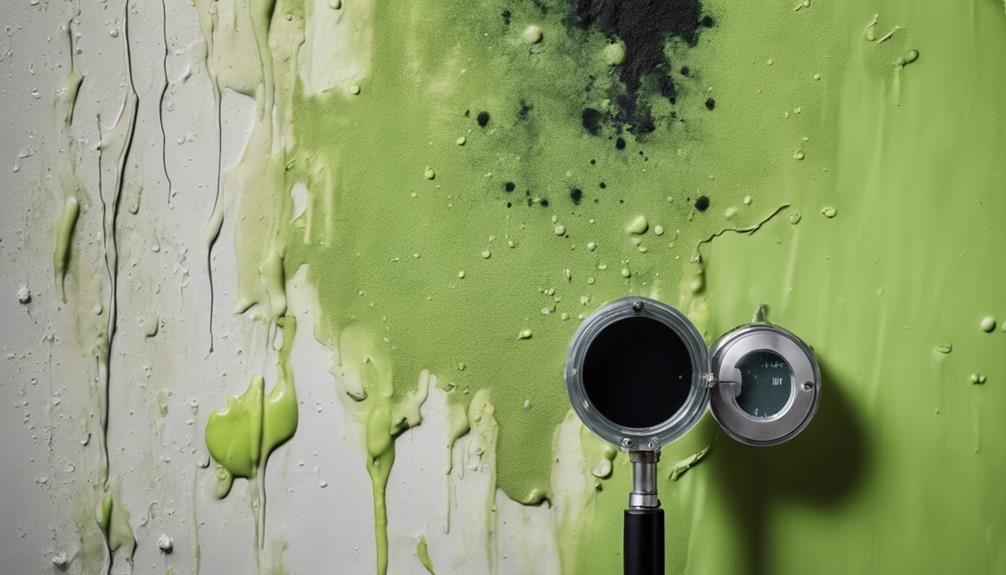
Mold can be a sneaky intruder in your home, often going unnoticed until it's too late. After water damage, mold can start developing within 24-48 hours, making prompt action essential.
To effectively identify and prevent mold growth, consider these key strategies:
When you act fast, you significantly reduce the risk of mold proliferation. During the drying process, be careful not to spread mold spores by mishandling wet items.
If you suspect a mold issue, a professional mold assessment is crucial, as dormant spores can pose ongoing health risks.
For thorough mold remediation, look for services that focus on sanitization and deodorization, ensuring any existing mold is removed and future growth is prevented.
By taking these steps, you can protect your home from the hidden dangers of mold, keeping your environment safe and healthy.
When faced with water damage, understanding the restoration process can make a significant difference in how quickly your home returns to normal. The first step involves thorough assessment to identify the extent of damage. Restoration professionals will evaluate the situation and create a tailored plan for your property.
Next, water extraction is crucial. They'll remove standing water using advanced equipment, ensuring the area is cleared effectively.
Following that, drying is essential. Restoration companies deploy dehumidifiers and air movers to reduce moisture levels, preventing mold after water exposure. This step typically needs to be completed within 24 to 48 hours to avert further complications.
Once everything is dry, the cleaning begins. This encompasses sanitizing affected areas and belongings.
Finally, the last phase involves the steps to repair damaged structures, which can vary in timeline, taking anywhere from a few days to several weeks, depending on the severity of the damage.
Throughout this process, you'll likely need to document everything for your insurance company, including photographs and a list of affected items, to ensure you receive accurate coverage for your water damage restoration.
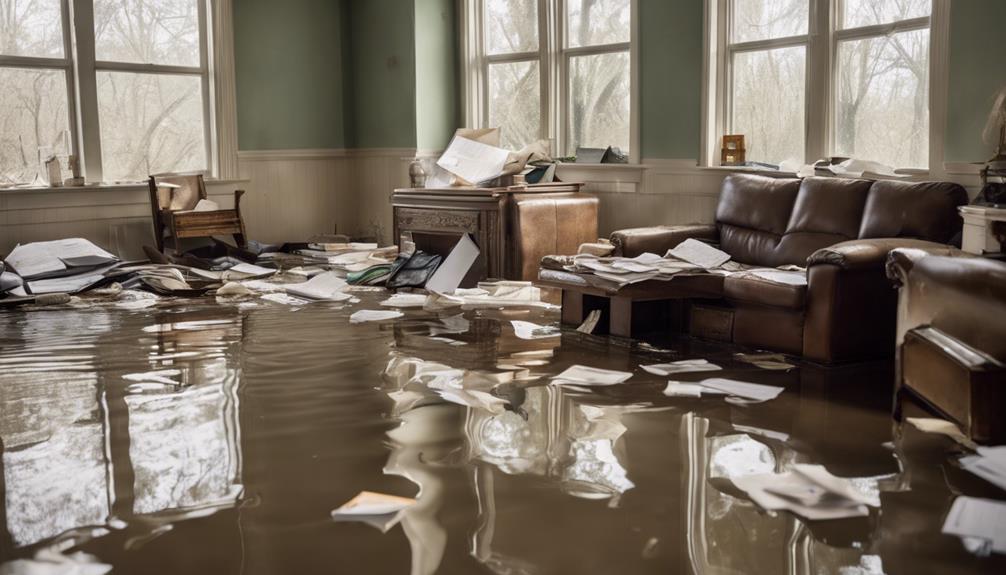
When water damage strikes, understanding your insurance coverage is vital.
You'll want to know what types of water damage your policy covers and the claims process to ensure you're prepared.
Let's break down these coverage types and what you need to do to file a claim successfully.
Understanding your coverage options is crucial for homeowners facing water damage, as policies can vary significantly.
You'll want to familiarize yourself with the different coverage types to ensure you're adequately protected. Here are some key points to consider:
Make sure to consult your insurance agent to fully grasp your coverage limits, deductibles, and any specific exclusions related to water damage.
The claims process for water damage can feel overwhelming, but knowing what to expect makes it easier to navigate. Your first step is to contact your insurance company to verify coverage and understand the specifics of your policy.
Typically, policies cover sudden and accidental water damage, like burst pipes, but they may exclude damages caused by neglect or maintenance issues.
To streamline the claims process, it's crucial to document damage thoroughly. Take photos of affected areas and keep a record of all communications with your insurance provider.
This documentation will support your claim and help clarify any disputes.
After water damage, you should act quickly.
Start by turning off the power to affected areas for safety. Next, make emergency contacts, like your insurance company, to begin a damage assessment.
Document everything with photos for your insurance claims. Elevate furniture and remove wet items to prevent further damage.
Then, initiate drying techniques and reach out to restoration services within 24-48 hours to minimize mold growth and structural issues.
When assessing how much water damage is too much, you need to act quickly.
If you see water pooling over an inch or notice mold growth within 24-48 hours, it's serious.
For extensive damage affecting multiple rooms, consider restoration services immediately.
Document everything for insurance claims, and don't wait to implement prevention methods.
When dealing with water damage, costs can vary based on several factors.
A water damage assessment helps determine the extent of the damage, influencing restoration services' pricing, which averages between $3 to $8 per square foot.
Insurance claims can significantly reduce your out-of-pocket expenses, but be aware of policy exclusions.
To minimize costs, consider prevention tips like regular maintenance and quick leak repairs.
Don't underestimate the potential for mold remediation costs, either.
To know if you have water damage under your floor, look for signs of dampness like warped floorboards or soft spots.
Use floor inspection techniques, such as tapping on boards, to check for hollow sounds.
Moisture assessment tools can help identify hidden leaks.
Don't ignore musty odors or visible mold; they're clear indicators.
For future issues, follow a preventive measures guide to protect your home from water damage.
Stay vigilant!
When you face water damage, acting quickly is key. Don't hesitate to call a plumber for immediate leaks, and consider reaching out to a carpenter for structural repairs. Choosing a restoration service like SERVPRO can help bring your home back to normal. Always keep an eye out for mold and address it promptly. Remember, understanding your insurance coverage can ease the financial burden. With the right steps, you can tackle water damage effectively and protect your home.
If a water main breaks and causes damage to your property, understanding who's responsible isn't always straightforward. Generally, homeowners are accountable for their service lines, while municipalities handle repairs to the main water supply. This means you might bear the costs for damages if the break occurs on your property. Promptly reporting the incident to local authorities is crucial, as the municipality may be liable if the break is due to negligence or aging infrastructure. Knowing your insurance coverage is also essential, as many policies exclude such damages. There's more to uncover regarding responsibility and potential compensation options.
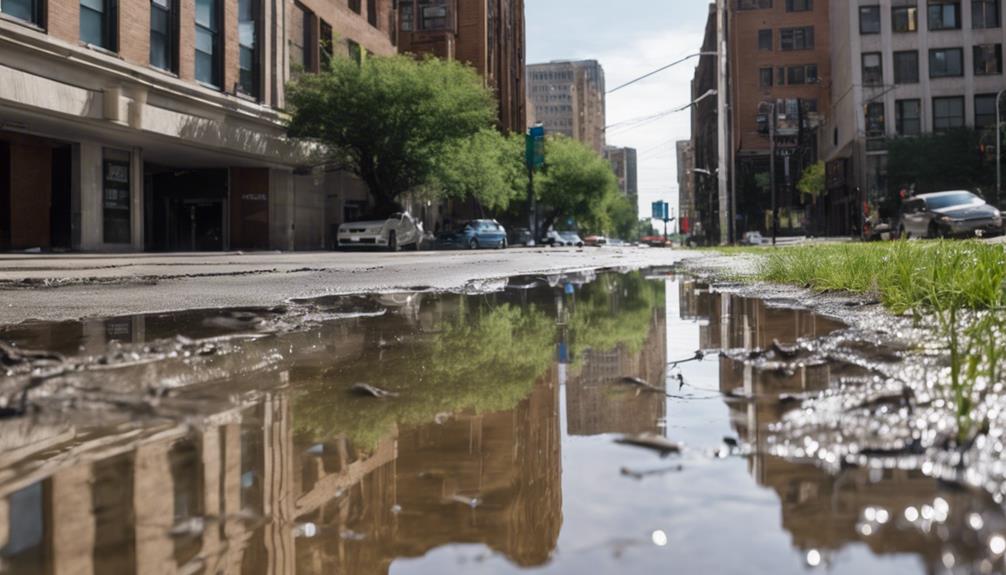
Water main breaks can wreak havoc on communities, causing significant disruption and damage. A water main is the primary pipe that carries water underground, while the water service line consists of the smaller pipes connecting that main to your property.
With over 240,000 water main breaks happening annually in the U.S., it's crucial for every property owner to understand their role in this scenario. Homeowners should also be aware of their insurance coverage for water damage, as insurance coverage for water damage can significantly impact their financial responsibility in these situations.
Local municipalities typically handle repairs on public water mains, but as a homeowner, you're responsible for maintaining and repairing the water service lines on your property. When a break occurs, addressing it promptly is vital to prevent further damage to your home and the surrounding area.
Factors like aging infrastructure, environmental conditions, and poor maintenance practices often contribute to these breaks, so staying informed can help you react quickly.
Additionally, you should check your homeowners insurance policies to understand your coverage regarding water service line issues. Knowing what's included can save you from unexpected financial burdens when a water main break affects your property.
Always report breaks to local authorities to ensure swift repairs and minimize damage to personal and public infrastructure.
When a water line breaks, knowing who's responsible for repairs is crucial.
As a homeowner, you'll need to take care of the service line connecting your property to the main, while the municipality handles issues with public water mains.
It's also important to consider how your insurance might cover these situations.
As a homeowner, you're directly responsible for the maintenance and repair of the water service line that connects your property to the main supply. If that line breaks, it's crucial to address the problem immediately to prevent further damage to your property. A broken water main can lead to significant issues if left unattended, including flooding and costly repairs.
You should familiarize yourself with the location of your water service line, as this will help determine your liability if a break occurs. Your responsibility includes not only repairs but also ensuring that you report any water main breaks to local authorities. This way, public repairs can be carried out efficiently.
While homeowners insurance may cover some damages resulting from a broken water main, it's essential to understand the specifics of your policy. Some policies may not include coverage for certain types of water damage, so check to see if your homeowners insurance covers water-related incidents effectively.
Being proactive about your repair responsibilities can save you from future headaches and financial strain.
Municipalities play a crucial role in addressing water main breaks that occur on public property, ensuring the safety and integrity of the water supply system. Under municipal liability, local governments are typically responsible for the repairs needed after such incidents.
Here's what you should know:
When a water main break occurs, it's essential for municipalities to act swiftly to mitigate damages and restore service.
You might wonder how this affects you as a homeowner or business owner. If damage occurs due to a break, understanding municipal liability can help clarify who's responsible for repairs. Knowing your local laws can empower you to seek recourse if you're negatively impacted.
Ultimately, municipalities are tasked with ensuring that public property remains safe and functional for all community members.
Navigating insurance coverage can be daunting for homeowners facing the aftermath of a water main break. Typically, you're responsible for repairs to your private water service lines, while municipalities handle public water main repairs.
Unfortunately, standard homeowners insurance policies often exclude damages caused by municipal water supply issues, leaving you with potentially significant out-of-pocket expenses for repairs.
When assessing coverage, it's crucial to determine the source of the water causing the damage. If the water main break is the culprit, chances are your standard homeowners policy won't cover the resulting water damage.
To mitigate your financial risks, consider optional endorsements or separate flood insurance policies. These can provide additional protection specifically tailored for incidents like water main breaks or flooding events.
Moreover, understanding local regulations and the specifics of your insurance policy can help you navigate potential liabilities effectively.
By familiarizing yourself with what your insurance can and can't cover, you can ensure you have adequate coverage for water damage incidents and avoid unexpected costs.
Always review your policy and consult with your insurance agent for the best protection against water main break damages.
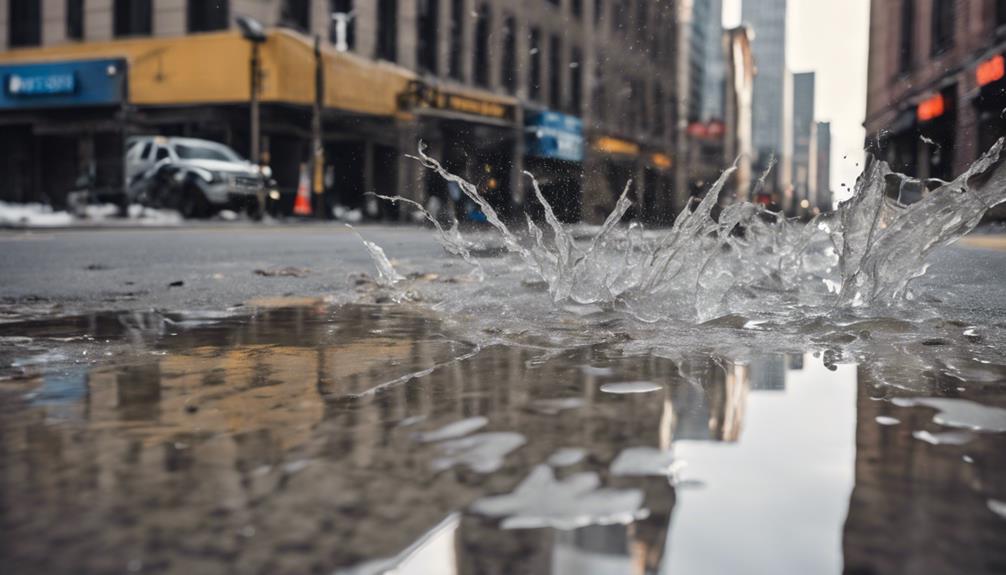
When a water main break occurs, understanding who bears financial liabilities can be complex. Typically, the at-fault party doesn't pay damages directly; instead, insurance companies handle claims from affected property owners. You'll need to assess your situation to determine your options for compensation.
Here are some key considerations regarding financial liabilities:
Since public entities often manage water mains, you could face challenges in proving negligence.
However, if you gather the right evidence and possibly seek legal assistance, you can maximize your chances of receiving compensation for the damage.
Understanding these financial liabilities is essential, as they'll impact your recovery process after a water main break.
Don't hesitate to consult professionals to help you through this intricate landscape.
When it comes to water main breaks, several key factors play a role.
You might notice that aging infrastructure can lead to increased failures, while environmental conditions can shift soil and disrupt pipes.
Additionally, improper maintenance and installation practices can further compromise the integrity of your water system.
Extreme weather variations play a crucial role in the frequency of water main breaks. These environmental factors can lead to soil shifts, which put pressure on the pipes and increase the risk of breaks.
When you consider how various conditions impact water mains, the picture becomes clearer:
Corrosion is another significant issue, with aging infrastructure making older pipes more susceptible to deterioration.
Additionally, high water flow demands can raise pressure within the system, further increasing the likelihood of breaks.
Improper installation adds another layer of vulnerability, as misaligned or poorly supported water mains are at greater risk.
Aging infrastructure poses significant challenges for water main reliability, especially when paired with environmental stressors. Many water pipes, installed decades ago, have deteriorated due to corrosion and material fatigue. This issue is critical, as over 240,000 water main breaks occur annually in the U.S., according to the Environmental Protection Agency. These breaks illuminate the urgent need for regular maintenance and upgrades to aging pipelines.
The lifespan of a water main can vary greatly depending on its material. For instance, cast iron pipes typically last 50 to 100 years, while newer materials may offer greater durability. Unfortunately, many older systems are susceptible to environmental factors like soil shifts, extreme weather, and ground movement. These conditions increase pressure on aging systems, leading to a higher risk of breaks.
Additionally, insufficient maintenance and delayed inspections can accelerate the deterioration of these water mains. When regular upkeep isn't prioritized, the likelihood of sudden failures rises, causing damage that can affect communities significantly.
Addressing these aging infrastructure challenges is essential to mitigate the impact of water main breaks on public safety and property.
Maintenance and installation issues play a critical role in the occurrence of water main breaks. When you consider the condition of water pipes, you'll notice that aging infrastructure and improper practices contribute significantly to these failures.
Here are some key factors to keep in mind:
Regular maintenance is crucial to catch issues early and prolong the life of water mains.
When installation isn't done correctly, it sets the stage for future problems. By addressing these maintenance and installation concerns, you reduce the risk of breaks and the costly damage that follows.
It's important for municipalities and utility companies to prioritize proper practices to ensure the reliability of water infrastructure. Ultimately, proactive measures can save everyone from the headaches associated with water main breaks.
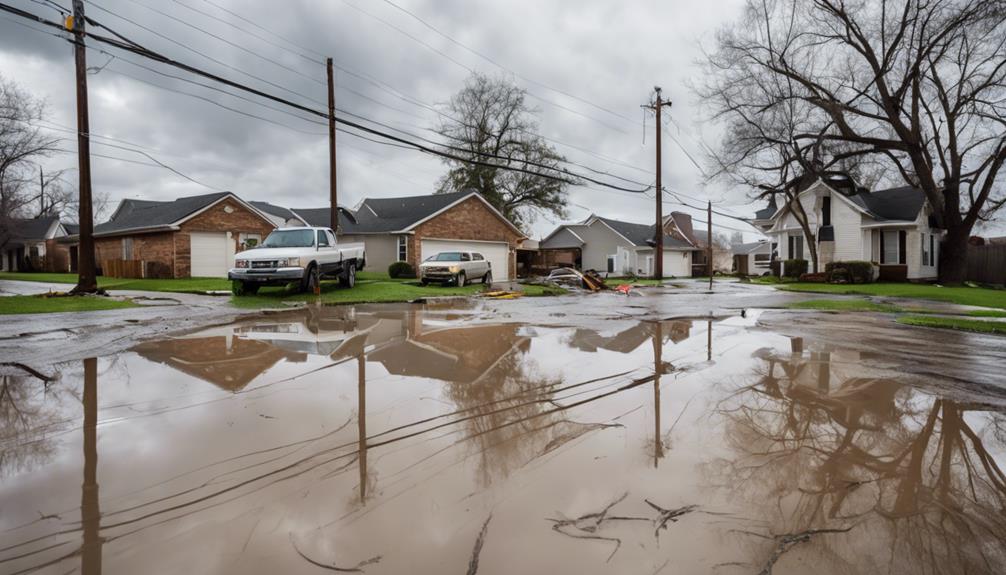
When a water main breaks, the aftermath can be devastating, with consequences ranging from structural damage to the loss of personal belongings. As a homeowner, it's crucial to understand the types of damages you might face.
| Type of Damage | Description | Potential Costs |
|---|---|---|
| Structural Damage | Compromised integrity of your property due to water saturation. | High due to repairs and inspections. |
| Personal Belongings | Destruction of furniture, appliances, and treasured items. | Costs can add up quickly. |
| Indirect Costs | Expenses for temporary housing and additional living needs. | Can be substantial during repairs. |
These damages can lead to significant financial burdens, especially since standard homeowners insurance typically doesn't cover losses from water main breaks. You could find yourself facing out-of-pocket expenses for repairs and replacements. Understanding these potential damages is essential for taking the right steps post-incident and ensuring you're prepared for any financial implications that may arise from such a crisis.
Understanding your insurance coverage is crucial for protecting yourself against the financial fallout of a water main break. Many standard homeowners insurance policies don't cover damages from municipal water supply issues, as these are classified as external damages. This means you might face significant out-of-pocket expenses for repairs if a water main breaks near your home.
To navigate this complex situation, consider these key points:
To safeguard your property, take the time to review your policy and explore additional coverage options.
Water main breaks can lead to costly repairs, and being proactive about your insurance coverage can make all the difference in managing potential financial burdens.
Don't wait until it's too late—ensure you have the right protections in place.
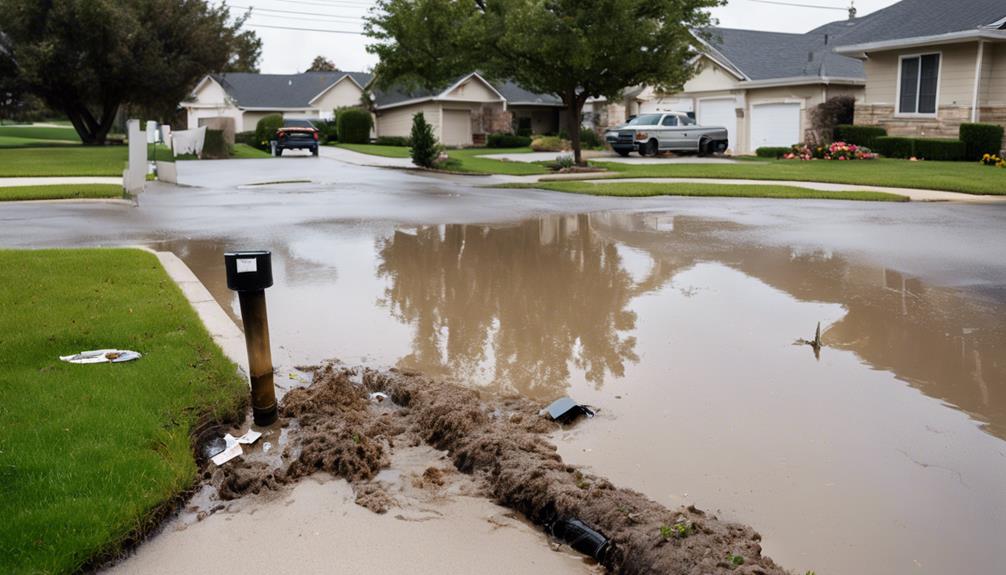
After reviewing your insurance coverage, it's time to take action if you suspect a water main break has affected your property.
First, assess the damage by inspecting your home for signs of water line breaks, such as low water pressure or cracks in the foundation. The sooner you identify these issues, the better you can protect your home.
Next, contact your local water utility company immediately to report the break. They're responsible for water main issues and will need to address the problem.
While you wait for them to respond, document all damages with photos. Keep receipts of any repairs, as this information is crucial for potential insurance claims.
It's also wise to hire a licensed plumber to handle repairs. They can provide a professional assessment and ensure all work complies with local codes and regulations.
Lastly, review your insurance policy again to understand the coverage limits and exclusions related to water damage. Standard homeowners insurance may not cover damages from municipal water supply issues, so knowing your policy is essential in navigating this situation effectively.
If you've experienced damage from a water main break, seeking compensation is crucial to recover your losses. Start by filing insurance claims, as personal policies may cover property damage from such incidents.
Here are some steps to help you through the process:
When it comes to a leaking water main, you'll often find that municipal responsibility lies with local authorities, as they maintain public water systems.
However, if the leak causes property damage, you might face property damage liability if it affects your home.
Unfortunately, insurance claims for such incidents can be tricky, as many policies exclude coverage for municipal water supply issues.
When a water main leaks, determining property damage liability can be tricky.
You should report the issue to local authorities promptly, as they often have municipal responsibility for public water lines.
Depending on your homeowners insurance, you might be able to file insurance claims for any damages incurred.
Always review your policy to understand coverage, as it varies.
This ensures you're prepared if a leak affects your property.
When a water main bursts, it can lead to significant property damage and flooding.
You'll likely see emergency response teams quickly mobilizing to address the situation, as prompt action is crucial.
Infrastructure maintenance plays a key role in preventing such incidents, highlighting the importance of regular checks and repairs.
If you're affected, reporting the break immediately can help minimize damage and get assistance quicker, saving you from potential headaches down the line.
Water main breaks can happen due to several factors.
Pipe corrosion weakens the structure over time, making it vulnerable. Environmental factors, like extreme weather and soil shifts, add stress that can lead to failures.
Additionally, poor construction activities, including improper installation and lack of support, can misalign pipes, increasing the chances of a break.
When these elements combine, the risk of a water main bursting becomes significantly higher, affecting infrastructure reliability.
In conclusion, when a water main break occurs, understanding your responsibilities and potential liabilities is crucial. You need to assess the damage, determine the cause, and check your insurance coverage. If you're affected, don't hesitate to take action—document everything and contact your insurance provider. Remember, you have options for seeking compensation, whether it's from the city or your insurer. Stay informed and proactive to navigate these tricky situations effectively.
When it comes to condo water damage, who pays depends on the damage's origin. If the issue starts in your unit, you're generally responsible for repairs. However, if it stems from common areas, the HOA usually takes charge. Keep in mind that your personal insurance might cover unit-specific damages while the HOA's master policy may handle shared structures. It's essential to check your insurance for specifics since coverage can vary. Knowing about your responsibilities can save you unexpected costs and complications. Stick around to uncover more detailed insights on navigating these scenarios effectively.
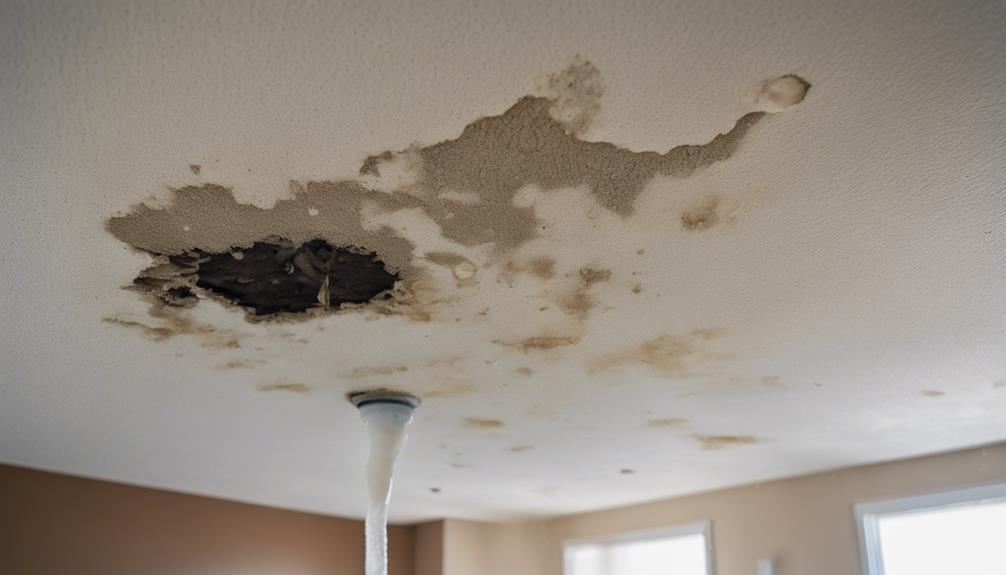
Water damage in condominiums can create confusion about who's responsible for repairs. Typically, the condominium declaration, known as the CC&Rs, outlines these responsibilities. As a unit owner, you're usually responsible for water damage originating from your unit, like a burst pipe or an appliance leak.
However, if the damage affects common areas, the homeowners association (HOA) will handle those repairs. It's important to note that approximately 25% of home insurance claims involve water damage, highlighting the need for adequate coverage insurance coverage for water damage.
It's crucial to understand how your condo insurance policy works in these situations. Your HO-6 policy should cover personal property and improvements within your unit, while the HOA's master policy generally covers common elements.
Be aware that negligence, such as failing to maintain your plumbing, could shift repair costs to you, even if the damage impacts common areas.
Review both your personal and the HOA's insurance policies carefully to identify any exclusions. Neglect or routine maintenance issues often aren't covered, which means you could be responsible for significant repair costs.
Knowing your responsibilities and having the right insurance can save you from unexpected expenses and confusion during stressful times. Stay proactive to protect yourself and your investment.
When dealing with water damage in a condominium, understanding negligence and liability is essential for unit owners. When a leak occurs, you need to assess where it originated. If it's from your unit, you're likely responsible for repairs. However, if it comes from a common area maintained by the homeowners association (HOA), they may bear the liability.
To clarify your responsibilities, refer to the governing documents, including the Covenants, Conditions, and Restrictions (CC&Rs). Insurance adjusters often require proof of negligence to approve water damage claims. If routine maintenance wasn't performed, this could affect liability.
Here's a quick guide to help you assess negligence and liability:
| Aspect | Responsibility |
|---|---|
| Unit Owner Repairs | Responsible for damage |
| Common Area Issues | HOA likely responsible |
| Documentation | Essential for claims |
| Insurance Claim Approval | Requires proof of negligence |
| Legal Advice | Needed for complex cases |
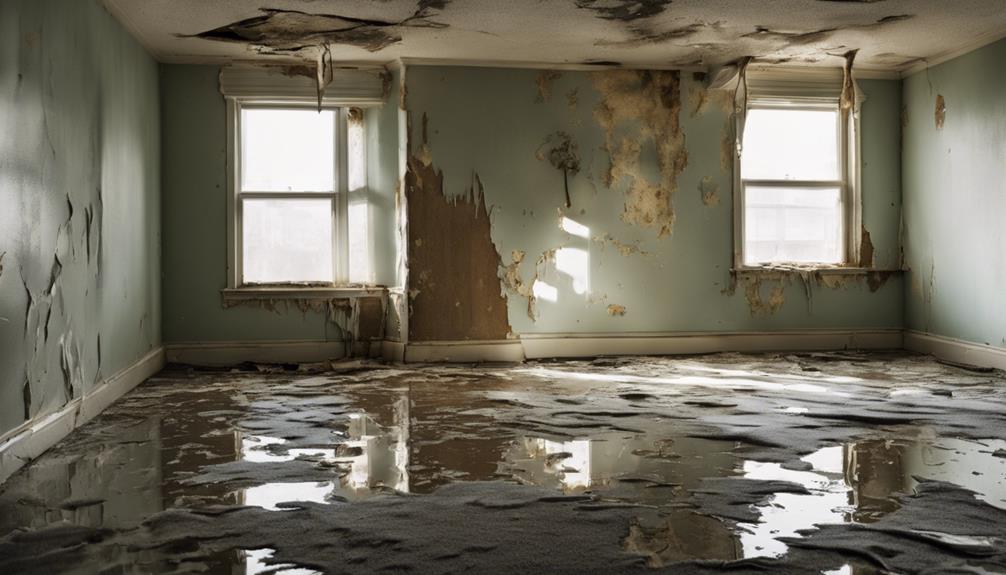
Understanding your responsibilities regarding negligence and liability lays the groundwork for navigating insurance coverage in a condominium. The type of condo master insurance policy—bare walls, single entity, or all-in—determines your coverage extent for unit and shared structure damages. This can significantly impact your financial responsibility when water damage occurs.
Your homeowners insurance, typically an HO-6 policy, usually covers sudden or accidental water events, but it often excludes maintenance-related issues. It's crucial to review your individual insurance policies to identify any gaps in coverage. For instance, standard homeowners insurance doesn't usually cover flood damage, so you may need a separate flood insurance policy to protect against those risks.
Each unit owner contributes to the HOA Master insurance policy through assessments, ensuring common areas are covered. However, understanding the exclusions within your condo insurance—like neglect or wear and tear—is vital, as these can leave you vulnerable during water intrusion incidents.
Repair costs for water damage in condominiums can quickly add up, especially if they fall under the deductible limits of your HOA's insurance policy. If the costs are below the deductible, like in a scenario where your HOA's deductible is $10,000 and the repair expenses amount to $5,000, you'll need to cover that entire amount without any insurance assistance.
Homeowners must carefully review their association's declarations to understand whether they're responsible for losses that fall within these deductible limits. Colorado law, C.R.S. 38-33.3-313(6), allows associations to set policies regarding deductible responsibilities, which can significantly impact your financial obligations.
Additionally, be aware that certain exclusions in the HOA's insurance policy can further complicate repair costs. Common exclusions, such as mold or groundwater intrusion, leave you liable for those damages.
However, if the water damage is covered and exceeds the deductible, the association is responsible for filing an insurance claim to recover those repair costs, which will then likely be shared among unit owners through assessments.
Always stay informed to avoid unexpected financial burdens!
Preventing water damage in your condo starts with proactive maintenance. Regularly inspect appliances like washing machines and dishwashers. Check hoses for cracks and replace them every 2-5 years to prevent leaks.
Schedule annual checks of your water heater, especially since these usually fail after 12 years. Look for rust, leaks, and deterioration to ensure proper functioning.
Don't forget about your gutters and downspouts! Clean them regularly to prevent clogs that can lead to water pooling around your foundation, which could cause significant water damage.
Inside your condo, inspect plumbing under sinks and cabinets for any signs of leaks or rust. Address these plumbing issues promptly to mitigate potential damage.
Also, ensure the watertight seals of caulk around tubs, sinks, and toilets are intact. This helps prevent water seepage and subsequent damage to surrounding areas.
By taking these maintenance steps, you not only protect your home but also minimize the risk of needing to file an insurance claim for water damage.
Consider discussing these tips with your homeowner association to promote a community-wide approach to water damage prevention.
When you face water damage in your condo, starting the claims process can feel overwhelming.
You'll want to document the damage thoroughly with photos or videos before making any repairs.
Additionally, keeping a detailed record of your communications with the insurance company is crucial to ensure a smooth claims experience.
Documenting damage evidence is crucial for a successful claims process following water damage in your condo. Start by taking clear, detailed photographs or videos of all damage before making any repairs. This visual evidence is essential for your insurance claim.
Here's a quick guide to help you document effectively:
| Action | Details | Importance |
|---|---|---|
| Photograph Damage | Capture all affected areas and items | Provides visual evidence for claims |
| Maintain a Written Log | Record dates, representatives, and discussions | Keeps track of communications with insurers |
| Keep Damaged Items | Retain items until evaluated by the adjuster | Ensures all evidence is available |
| Review Your Insurance Policy | Understand coverage and exclusions | Helps you prepare necessary documentation |
When filing your claim, include the specific date and cause of the loss along with your insurance policy number. Proper documentation not only expedites the claims process but also strengthens your case for coverage regarding property damage. By following these steps, you can navigate the claims process with confidence.
Effective communication with your insurer is essential to navigate the claims process for water damage smoothly. When you file an insurance claim, it's crucial to provide documented evidence of the damage, including photos or videos.
Make sure you log all communications with the insurance company, noting dates, representatives' names, and discussion points. This will help clarify your case.
During your first notice of loss, be ready to share specific details like the date of the incident, the cause of loss, and your policy number. An insurance company is required to begin their investigation within 15 days after you submit your claim, and you should receive a claim number soon after.
If the water damage affects common areas or personal property, understanding your association's responsibilities is key. Coverage for water damage can vary, so knowing your owners responsibility is important.
Once an adjuster is assigned, it's beneficial to be present during their inspection. This way, you can clarify damage details and ensure all relevant information is included in the claims assessment. Clear communication will streamline the process and help you secure the compensation you deserve.
When it comes to condo water damage, understanding liability assignments is crucial for you as a homeowner.
Keeping thorough documentation of all related communications and incidents can significantly strengthen your position if disputes arise.
Additionally, knowing your insurance coverage and ensuring it complements your HOA's master policy can protect you from unexpected costs.
Navigating liability assignments in condominium water damage cases can be complex, but understanding the governing documents is key. These documents, like the CC&Rs, detail the responsibilities of both homeowners and the HOA. You need to differentiate between common elements and individual units, as this distinction determines who's liable for repairs. Generally, the HOA is responsible for common areas, while individual unit owners must handle damage within their spaces.
Here's a quick reference to help clarify liability assignments:
| Type of Damage | Responsible Party | Key Consideration |
|---|---|---|
| Common Elements | Homeowners Association (HOA) | HOA's obligations under governing docs |
| Individual Units | Unit Owners | Owner's liability unless specified otherwise |
| Negligence-Related | Depends on circumstances | Owner may be liable if their negligence contributes to damage |
| Claims on Liability | Varies by case | Legal advice can clarify specifics |
Negligence can significantly impact liability assignments, so consulting legal professionals can help clarify your responsibilities and rights. Understanding these elements is essential for effectively navigating claims related to water damage.
Documenting water damage thoroughly is vital for homeowners and associations alike, as it supports insurance claims and establishes the damage's extent. You should take detailed photographs and videos of the affected areas immediately. This documentation will be crucial for any discussions with your HOA or insurance adjuster.
Keeping a log of all communication with both the insurance adjuster and the HOA helps create a clear record of interactions and decisions. This log can clarify who's responsible for what and inform your understanding of your coverage. Historical documentation of previous repairs and maintenance can also assist in assessing current responsibilities.
It's essential to obtain written documentation from the insurance adjuster regarding their coverage decisions. This evidence can be invaluable if disputes arise later in the claims process.
Moreover, regular updates from your HOA about insurance coverage and individual responsibilities enhance transparency. This way, all homeowners stay informed about their obligations related to water damage claims, reducing confusion and potential disputes.
How does your Homeowners Association (HOA) handle water damage? Understanding the HOA responsibilities is crucial, especially when it comes to maintaining common areas like roofs and plumbing systems.
If water damage originates from these shared structures, the HOA's master insurance policy may cover the repair costs. However, it's essential to know the specifics of this policy, as coverage can vary widely—some may only cover the bare walls, while others might include everything.
For issues arising within your unit, you'll likely need to file a claim with your personal insurance. The condominium association typically handles claims related to common area damages, but clear communication with your HOA is vital.
Timely reporting of water-related incidents can expedite maintenance actions, potentially limiting further damage and costs.
Always stay informed about your HOA's policies and procedures to ensure you're prepared should water damage occur. This proactive approach can save you from unexpected expenses and provide peace of mind during stressful situations.
In California, if you're dealing with a water leak in your condo, you need to know your maintenance responsibilities.
Typically, you're responsible for issues within your unit, including plumbing issues. However, if the leak comes from common areas, your homeowner association may be liable.
Review your condo insurance and the association's governing documents to understand tenant rights and to file any damage claims for repair costs effectively.
A slab leak typically falls under the HOA's maintenance obligations, especially if it involves the plumbing system serving multiple units.
You should check your association's governing documents to clarify responsibilities.
Common area insurance often covers these leaks, but it's vital to implement leak prevention strategies.
Also, be aware of tenant liability issues, as individual unit owners might still face costs.
Always follow emergency response protocols for prompt reporting to minimize further damage.
When it comes to leaks from upstairs neighbors, insurance coverage varies based on your policy.
You'll want to check your policy coverage for leak detection and maintenance responsibilities. If you face neighbor disputes, document everything for potential insurance claims.
Emergency repairs might be necessary, but liability issues can complicate things. Understanding your tenant rights is crucial, as your coverage may not extend to maintenance-related leaks.
Always communicate with your insurance provider for clarity.
When you're dealing with a water leak, understanding the causes is crucial.
Typically, condo maintenance responsibilities fall on you as the unit owner, especially if it's due to your plumbing. Familiarize yourself with tenant rights, HOA rules, and relevant insurance policies.
If the leak breaches building codes or plumbing regulations, that could shift repair costs.
Always document the situation to clarify responsibilities and ensure timely repairs and coverage.
In dealing with condo water damage, understanding your responsibilities is key. Whether it's your negligence or the HOA's, knowing who pays can save you stress and money. Always check your insurance coverage and stay proactive with maintenance to prevent future issues. If disaster strikes, follow the claims process carefully and seek legal advice if needed. By staying informed, you can navigate the complexities of water damage and ensure you're covered when it matters most.
When it comes to water damage in your apartment, responsibility typically falls on both you and your landlord. Landlords must maintain habitable conditions and address repairs promptly, especially if the damage isn't your fault. If you notice water damage, notify your landlord right away to minimize further issues. You have rights, too; for serious damage that affects safety, you might be able to withhold rent or use the "repair and deduct" method. Keeping detailed documentation of communications is crucial. Understanding the nuances of these responsibilities can help protect your rights effectively. You might find more helpful insights on this topic.
When it comes to water damage in rental properties, landlords can't just brush it off; they've specific legal responsibilities to uphold. Under California law, landlords must maintain habitable living conditions, which includes addressing water damage issues promptly.
If you notice leaks or other water-related problems that aren't caused by your actions, it's the landlord's responsibility to handle the necessary repairs.
California Civil Code Sections 1941 and 1942 require landlords to fix these problems ideally within 30 days for non-urgent issues. Ignoring water damage can lead to serious consequences, such as structural damage and health risks like mold growth.
Landlords must act swiftly to mitigate these hazards to ensure tenant safety and compliance with lease agreements.
Failure to address water damage can lead to legal disputes over tenant rights and obligations. If you find that your landlord isn't taking action, document the issue and communicate your concerns clearly.
As a tenant, you have important rights and protections when it comes to water damage in your home.
It's crucial to report any issues promptly and understand your options for rent withholding if repairs aren't made.
Familiarizing yourself with your insurance coverage for water damage can further empower you to take action and ensure your living environment remains safe and habitable.
Knowing your rights can empower you to take action and ensure your living environment remains safe and habitable.
Understanding your rights as a tenant is essential, especially regarding water damage and the necessary repairs. In California, tenant protections ensure you have a habitable living environment, which includes timely repairs for issues like water damage not caused by your negligence.
If your landlord neglects significant issues, such as mold remediation, you can utilize the "repair and deduct" method. This allows you to fix the problem and subtract the cost from your rent.
When serious water damage renders your apartment uninhabitable, you have the right to withhold rent as long as you provide proper notice and documentation.
Remember, effective communication with landlords about water damage is crucial. It helps you establish a record of negligence, protecting your rights and responsibilities in potential disputes.
California law also allows you to abandon your rental unit if the necessary repairs exceed one month's rent, ensuring you're not forced to live in unsafe conditions.
Promptly reporting water damage issues is vital for protecting your rights as a tenant. When you notice any signs of water damage, it's your legal responsibility to notify your landlord immediately. This not only helps prevent further damage but also shields you from potential liability.
Under California law, landlords must maintain a habitable living environment, and failing to address serious water damage can lead to significant health and safety concerns.
Documenting water damage issues is crucial. Keep a record of your repair requests, including written communication and photographs of the damage. This documentation can serve as evidence if the situation escalates or if you need to demonstrate landlord negligence.
If your landlord doesn't act, California law gives you options. You might've the right to withhold rent or use the "repair and deduct" method for necessary repairs.
The right to withhold rent can empower tenants facing serious water damage that compromises their living conditions. In California, if your landlord neglects substantial issues affecting health or safety, you can legally withhold rent under California Civil Code Sections 1941 and 1942.
However, remember that this right is reserved for significant problems, like mold growth or structural concerns, not minor repairs.
Before you withhold rent, it's essential to provide written notice to your landlord about the water damage. Allow them a reasonable timeframe to address the issue.
If they fail to make repairs in that time, you might consider the "repair and deduct" option, where you can deduct repair costs from your rent. Just make sure to keep thorough documentation of all communications and repair requests with your landlord; this will be vital if disputes arise.
Always bear in mind that any tenant negligence on your part could undermine your position.
Water damage can wreak havoc on your living space, often stemming from several common causes. One major culprit is plumbing leaks, particularly from burst pipes, which can lead to substantial structural damage and costly repairs averaging around $3,362 per incident.
Roof leaks, often due to poor maintenance, can allow water to seep into walls and ceilings, increasing the risk of mold growth and potential health issues.
Appliance malfunctions, such as faulty dishwashers or washing machines, can also result in significant water accumulation, damaging your flooring and surrounding areas.
Additionally, flooding from external sources—like heavy rains or sewer backups—poses a risk to all ground-level units and may necessitate specialized remediation efforts.
Lastly, tenant negligence can exacerbate water damage. Leaving windows open during storms or failing to report leaks promptly can worsen the situation, complicating liability issues.
When you notice water damage, reporting it to your landlord quickly is essential to protect yourself from further liability.
Documenting the damage with photos and written communication creates a clear record that can be invaluable in disputes.
Make sure to detail the issue and keep a log of all your communications to ensure timely repairs and safeguard your rights.
Promptly reporting water damage is essential for minimizing further issues and protecting your rights as a tenant. When you notice water damage in your property, immediately contact your landlord to report the issue. This quick communication not only helps limit further damage but also establishes a record of the problem, which is crucial for any insurance claims or potential repairs.
Under California law, landlords must address urgent water damage repairs right away and non-urgent repairs within 30 days. So, it's vital to document everything. Take photos and write detailed descriptions of the damage, then submit this documentation to your landlord.
Keeping a log of all your communications regarding the water damage will create a timeline that shows you're proactive about resolving the issue.
If your landlord fails to act promptly, you may consider using the "repair and deduct" option, allowing you to handle urgent repairs yourself and deduct the costs from your rent. This option emphasizes the importance of timely reporting and highlights your rights as a tenant under the lease agreement.
Effective documentation is your best ally in managing water damage issues. When you promptly report water damage, it's essential to create a comprehensive record that can support your claims and repair requests.
Here's what you should do:
Timely documentation is crucial. Delays can complicate liability and lead to further damage or health risks, making your claims harder to support.
By effectively managing your documentation, you're not just protecting your rights; you're also ensuring that necessary repairs happen swiftly and efficiently.
Don't underestimate the power of well-organized documentation—it's your strongest tool in navigating the complexities of water damage situations.
In navigating disputes over water damage, clear communication often proves essential. Effective dispute resolution strategies can help you address issues with your landlord while ensuring your rights are protected. Start by documenting all communications and water damage incidents to create a clear timeline and establish responsibility for repairs.
Engaging in open dialogue with your landlord can facilitate quicker resolutions. If urgent repairs are necessary, consider utilizing the "repair and deduct" option, which allows you to address issues yourself and deduct the costs from your rent if your landlord fails to act promptly.
If discussions stall, mediation services can provide a neutral platform for both parties to discuss grievances and find mutually agreeable solutions without resorting to litigation. Familiarize yourself with tenant-landlord laws to reinforce your position and ensure you're aware of your rights and your landlord's obligations.
| Strategy | Description |
|---|---|
| Documenting | Keep records of all communications and incidents. |
| Open Dialogue | Communicate openly to resolve issues quickly. |
| Repair and Deduct | Address urgent repairs and deduct costs from rent. |
| Mediation Services | Use neutral services to find amicable solutions. |
Understanding your insurance coverage is crucial when it comes to water damage. Knowing what your policies cover can save you from financial headaches later on. Here are three key points to remember about insurance in a rental property:
When dealing with insurance claims, it's vital to review your renters insurance policy to ensure it covers various water-related incidents, including mold damage.
Understanding the differences between landlord insurance and your own policy can help you navigate these situations effectively, ensuring you're adequately protected against potential losses.
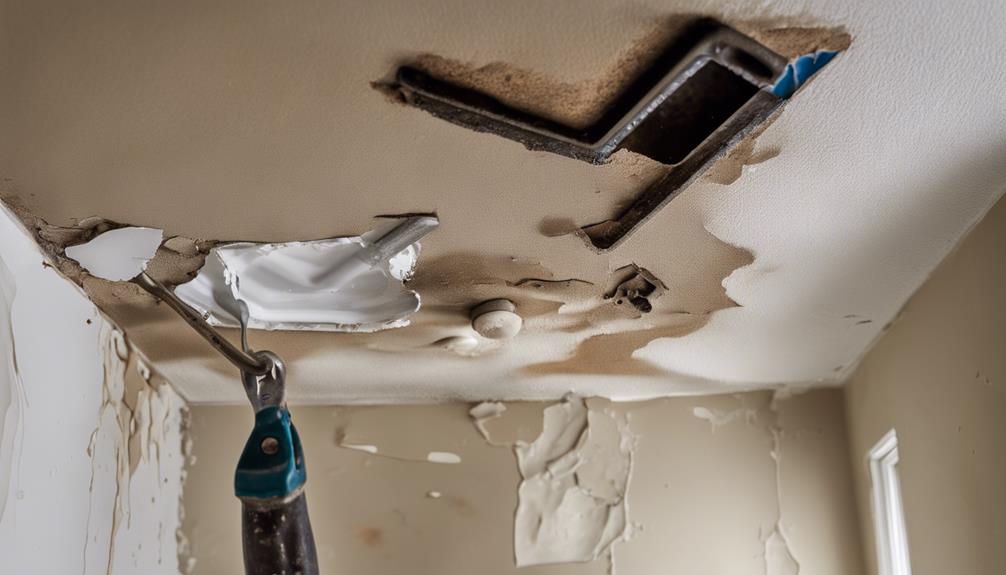
When water damage occurs, knowing who's responsible for repairs is key to resolving the issue efficiently. Landlords are responsible for repairing water damage that isn't caused by tenant negligence, ensuring your apartment remains habitable under California Civil Code.
The repair processes typically start with identifying and fixing the source of water damage, followed by mitigating further property damage.
As a tenant, it's crucial you report water damage promptly. Delaying notification can lead to liability for additional damages. Keep detailed documentation of all incidents, repair requests, and communications with your landlord. This record will help clarify responsibilities and streamline the repair process.
In cases of severe water damage, specialized contractors may be necessary. In such situations, landlords are responsible for coordinating these services to restore the property effectively.
In California, your landlord has specific obligations regarding water damage repairs. For emergency repairs, they must act immediately.
For non-urgent issues, they've got a 30-day timeline. Understanding your tenant rights is crucial.
If repairs aren't done on time, you can explore legal remedies, like "repair and deduct" or withholding rent.
Always document issues and refer to your lease agreements for clarity on maintenance responsibilities and insurance coverage related to water damage claims.
In Florida, your landlord's got specific repair timelines for water damage.
For emergency repairs affecting health and safety, they've gotta act within 7 days.
For non-urgent maintenance, you're looking at 15 days.
If they don't meet these obligations, know your tenant rights!
You can withhold rent or seek legal remedies.
Always document issues and follow your lease agreements.
Property inspections may also help support any insurance claims you might file.
When you encounter a water leak, understanding tenant rights and landlord obligations is crucial.
Typically, landlords must address leaks from structural issues, while you're responsible if negligence caused the problem.
Document everything for insurance claims and ensure you report leaks promptly to avoid legal liabilities.
Check your lease agreements for maintenance responsibilities and repair timelines.
In emergencies, follow procedures to mitigate property damage and safeguard your living space.
In Colorado, you might be responsible for water damage if negligence led to the issue.
Under Colorado laws, tenant liability arises when you ignore water leaks or fail to maintain appliances. Your lease agreement outlines maintenance obligations, while landlords must address repairs promptly.
Understanding your tenant rights is crucial; you can pursue repair timelines if they don't comply.
Also, check your insurance coverage, as it may help with water damage claims.
In the end, understanding who's responsible for water damage in your apartment can save you time and stress. Remember, landlords are typically accountable for major repairs, but tenants should report issues promptly. Always know your rights and protections, and keep communication open with your landlord. If disputes arise, don't hesitate to seek resolution strategies. Finally, check your insurance coverage, as it might help with unexpected costs. Being informed puts you in a better position to handle these situations.
To file a home insurance claim for water damage, start by stopping the leak and documenting the damage with photos. Check your policy to understand your coverage, especially regarding sudden incidents versus maintenance issues. Report the claim to your insurance company as soon as possible. Fill out the necessary forms and keep a detailed log of all communications throughout the process. If needed, hire professionals for cleanup, and save any receipts for reimbursement. Communicate effectively with your adjuster and don't hesitate to challenge settlement offers that seem low. There's much more to navigate successfully, so stay informed.
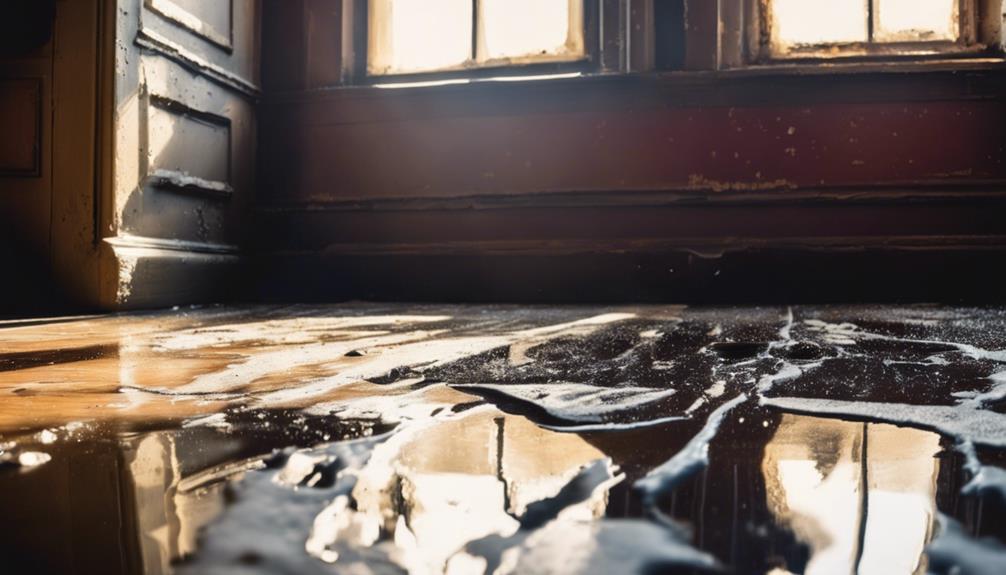
Assessing water damage requires a keen awareness of both the immediate situation and its potential consequences. First, you need to identify the source of the water. Stopping the leak is crucial, as prolonged exposure can lead to further deterioration and mold growth within 24-48 hours.
Regular inspections of plumbing systems can help prevent such leaks before they occur. Once you've addressed the source, it's time to document the damage thoroughly. Use photographs and videos to capture affected areas and items; this visual evidence is vital for insurance claims and potential reimbursement.
Next, evaluate the extent of the damage by checking for structural integrity and signs of mold. If you notice anything concerning, consider hiring a professional for inspection to ensure safety and compliance with building codes.
Throughout this process, maintain a comprehensive log of all communications and actions taken, including dates, times, and details of conversations with contractors or insurance agents.
Navigating the complexities of your homeowners insurance policy is essential for effectively handling water damage claims. You need to understand what your insurance coverage includes and excludes. Typically, homeowners insurance covers water damage from sudden incidents like burst pipes or storm-related leaks. However, it usually doesn't cover gradual damage due to maintenance neglect.
It's crucial to note that standard policies often exclude flood damage, requiring you to purchase separate flood insurance if you live in a flood-prone area. In fact, in 2018, about 25% of home insurance claims were related to water damage, emphasizing the importance of knowing your coverage.
Additionally, familiarize yourself with the distinction between Actual Cash Value (ACV) and replacement cost. ACV factors in depreciation, while replacement cost provides the full amount needed to replace damaged items.
To ensure you're fully aware of your homeowners insurance specifics and potential limitations, consider reviewing your policy with an independent agent. They can clarify your coverage, helping you prepare for any future water damage claims.
Understanding your policy now can save you time and stress later.
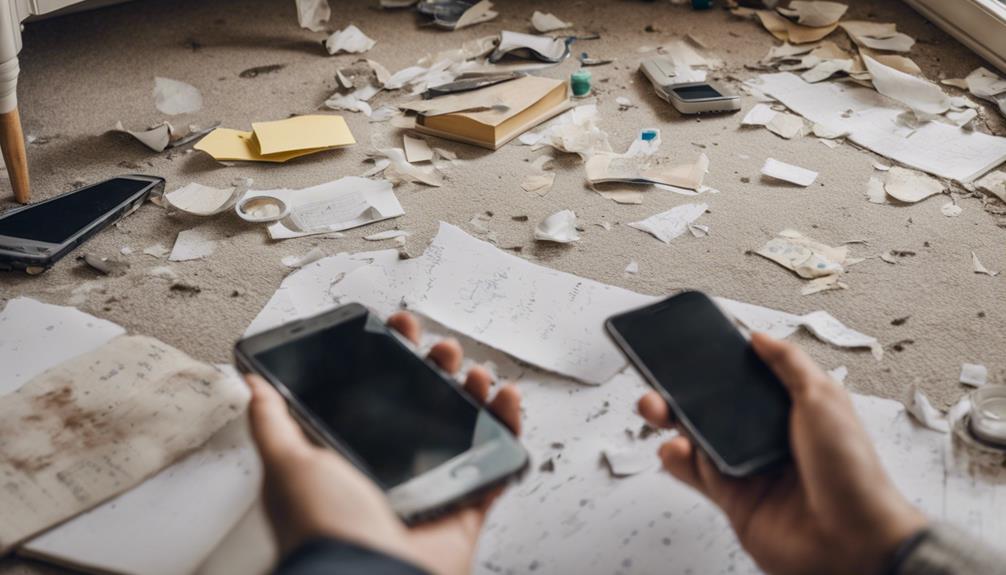
Once you report your claim, it's crucial to understand the timeline and what documentation you'll need.
You'll also want to communicate effectively with adjusters to ensure a smooth claims process.
Let's break down the essential steps for reporting your claim accurately and efficiently.
Reporting your water damage claim promptly is crucial to kickstart the recovery process. As soon as you notice the damage, reach out to your insurance company. Most providers offer 24/7 claim reporting, making it easier to initiate the claim process quickly.
Remember, timely reporting is essential; delays could lead to complications or even denial of coverage.
Once you've reported the damage, be prepared for the next steps. Insurance companies typically have specific timelines for processing claims, which can take anywhere from a few days to several weeks, depending on the complexity of the situation.
To ensure everything goes smoothly, document all communications with your insurance provider. Keeping a clear record will help you track the progress and address any disputes or delays that might arise.
After your initial report, you may need to fill out a proof of loss form and provide detailed evidence of the damage. This additional information can expedite the claims process and help your insurance company assess your situation more accurately.
Stay proactive throughout this period, and you'll be better positioned to receive the assistance you need.
Gathering the right documentation is essential for a smooth claims process after water damage. Start by taking clear photographs of all affected areas and items, capturing both the damage itself and the source of the water intrusion. This visual evidence will be crucial to support your claim.
Next, document the details of the incident, noting the date, time, and circumstances surrounding the damage, as well as any immediate actions you took to mitigate further issues.
Collect receipts and invoices for any temporary repairs or emergency services you utilized; these costs might be reimbursable under your insurance policy.
Additionally, maintain a detailed log of all communications with your insurance provider. Note the dates, times, and names of representatives you spoke with to establish a clear record of your claim process.
After you've gathered all the necessary documentation, it's time to communicate with your insurance adjuster. Start by having your insurance policy number ready; this will help expedite the claims process.
When reporting your claim, be prepared to provide detailed descriptions of the damage, including the source of the water and the extent of the impact on your property. Your adjuster will need to evaluate the damage, so thorough documentation is crucial.
Take photos, jot down notes, and make a list of affected areas to share during your conversation. Remember, the more evidence you provide, the better they'll understand your situation.
It's also essential to document all communications with your adjuster. Note the dates, times, and key discussion points to maintain clarity throughout the claims process.
Don't hesitate to follow up proactively after your initial report; timely communication can facilitate a smoother experience.
If you have questions or concerns, reach out to your insurance agent for guidance. They can help clarify any uncertainties and ensure you're on track to receive the compensation you deserve.
When faced with water damage, enlisting the help of a professional cleanup and restoration company is crucial. These licensed and insured experts use specialized equipment and techniques to effectively remove water and prevent mold growth. Their quick response can significantly reduce the risk of mold development, which can start within just 24-48 hours of exposure.
A thorough assessment of the damage is part of professional cleanup. Restoration professionals will detect moisture levels and develop a tailored remediation plan addressing all affected areas. They should provide you with written estimates and timelines, so you understand the scope of work and associated costs.
Additionally, make sure to keep all documentation from the restoration company. Reports and photos of the cleanup are vital for supporting your insurance claims, ensuring you receive accurate reimbursement.
Having this evidence can streamline the claims process and help you recover your losses more efficiently. Ultimately, hiring a water damage restoration company not only ensures your home is properly restored but also strengthens your insurance claim, making it easier for you to get back on track.
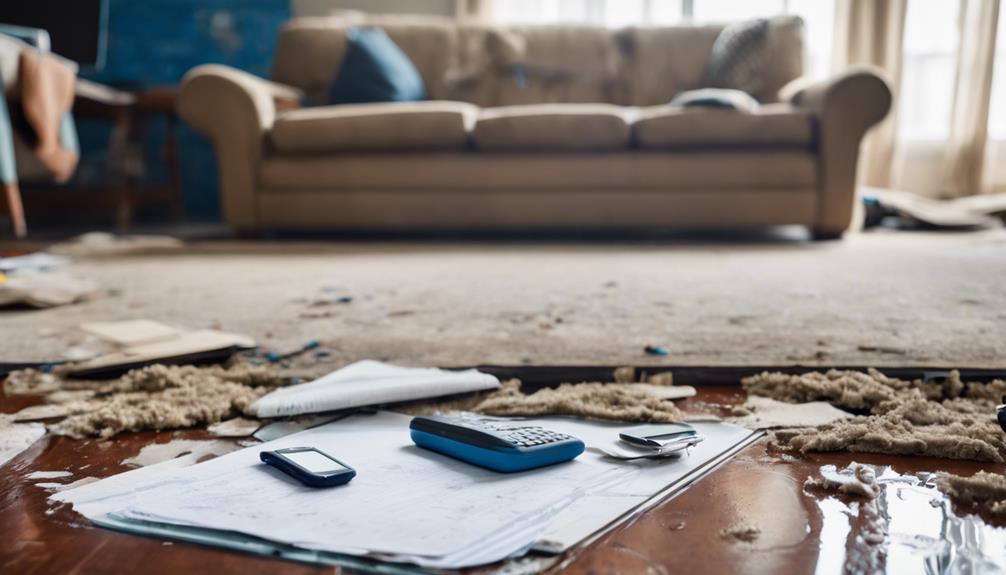
Interacting with adjusters can significantly impact your home insurance claim for water damage. To make the most of this process, prepare a detailed inventory of damaged items, complete with photos, dates, and descriptions. This will help you communicate effectively and support your claim.
Keep a clear log of all communications with the adjuster, noting dates, times, and key discussion points. This ensures transparency and accountability throughout the process.
When the adjuster arrives, they'll conduct a thorough inspection of the affected areas. Make sure all damage is accessible and well-documented to aid in their damage assessment.
Be ready to provide any additional information they may request, as this can facilitate their evaluation and speed up your claim process.
If you find yourself disagreeing with the adjuster's assessment, remember that you have the right to seek a second opinion from a public adjuster. They can advocate on your behalf to ensure you receive a fair settlement.
Navigating the settlement process for your water damage claim involves several key steps that can significantly impact your outcome.
First, you should contact your insurance agent to report the water damage and initiate the claims process; having your policy number handy will expedite this step. An insurance adjuster will then evaluate the property damage and determine the settlement amount, which will likely depend on your coverage type—either Actual Cash Value or Replacement Cost.
To ensure a smooth process, maintain detailed records of all communications with your insurance company, including dates, times, and key discussion points. If you disagree with the initial settlement offer, don't hesitate to challenge it. You can provide independent estimates from licensed contractors to negotiate for a higher payout.
Throughout the settlement process, be aware that you might receive multiple checks—one for property repairs and another for personal belongings.
Also, checks for home repairs may require endorsement from your mortgage lender, so stay informed. By following these steps, you'll navigate the settlement process more effectively and increase your chances of a favorable outcome.
Insurance for water damage coverage varies based on your policy. It typically covers sudden and accidental types of water damage, like burst pipes or leaks.
However, it excludes gradual damage from neglect and flood damage, which needs separate policies. You need to know the specifics of your insurance policy exclusions to avoid surprises.
Understanding the difference between Actual Cash Value and replacement cost can also impact how much you get back for your claims.
A water damage claim can be denied for several common reasons.
If the damage results from neglect or lack of maintenance, insurers often cite policy exclusions.
Gradual leaks not reported promptly might also lead to rejection, as timely documentation requirements are crucial.
Additionally, if you lack separate flood insurance for flood-related damage, your claim could be denied.
Always review your policy to understand what's covered and avoid surprises during the claims process.
To make a successful water leak insurance claim, start by taking preventive measures to avoid future issues.
Document everything with clear photos and detailed descriptions.
When you report the damage, provide your insurance agent with your policy number and a thorough account of what happened.
Be ready for the insurance adjuster's visit, and don't forget to keep all receipts and records of temporary repairs to support your claim documentation effectively.
Filing a homeowners insurance claim can come with several disadvantages.
You might face premium increases after the claim, as insurers often reassess your risk based on your claim history.
Additionally, your coverage limits could be tested, especially if the damage resulted from maintenance neglect, leading to denied claims.
It's also possible to experience delays in receiving payouts, making the process frustrating when you need help the most.
Consider these factors carefully before filing.
Filing a home insurance claim for water damage can feel overwhelming, but you've got the tools to handle it. By assessing the damage, understanding your policy, and working closely with adjusters, you can navigate the process more smoothly. Don't forget to document everything and seek professional help when needed. With the right approach, you'll be on your way to getting the settlement you deserve and restoring your home back to its former glory.
A landlord has specific timeframes to fix water damage. For urgent issues, such as severe leaks, they'll need to act within 24 to 72 hours. Non-urgent repairs, like minor mold, usually must be resolved within 30 days. It's crucial to notify your landlord in writing to establish a timeline and protect your rights. If they don't respond in a timely manner, this may lead to health risks, increased repair costs, and potential legal action. Understanding these timelines will help you navigate the situation more effectively, and there's more to know about your rights and options.
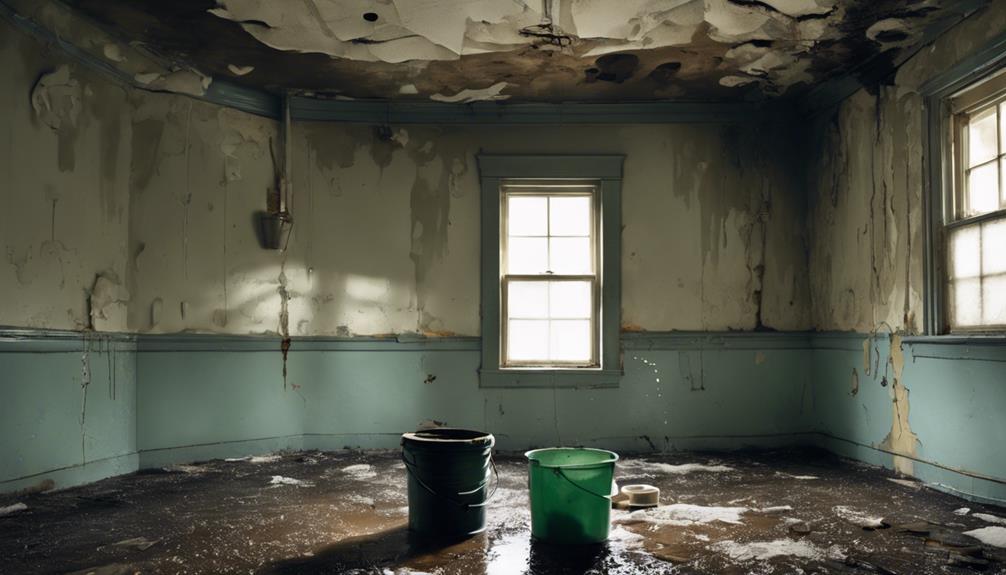
When it comes to water damage, how quickly should landlords act? Your responsibilities as a landlord are clear under California law.
If water damage poses a health or safety risk, you must tackle those urgent repairs within 24 to 72 hours. It's crucial to maintain habitable living conditions, especially since failure to address significant water damage promptly could lead to legal repercussions, including claims for breach of the warranty of habitability.
Additionally, understanding your insurance coverage for water damage can help you navigate potential financial liabilities associated with repairs.
For non-urgent repairs, you typically have up to 30 days to complete the necessary work. However, it's essential to act within a reasonable time frame to prevent issues like mold growth, which can further complicate repair costs and tenant health.
You're not just fixing the property; you're ensuring a safe and livable environment for your tenants.
Understanding the distinction between urgent and non-urgent repairs is essential for both landlords and tenants. Urgent repairs, particularly those involving significant water damage that impacts habitability, must be addressed by landlords within 24 to 72 hours according to California law. This is crucial for maintaining health or safety in the living environment.
If you notice such urgent issues, you must notify your landlord promptly in writing to initiate the repair timeline effectively.
On the other hand, non-urgent repairs related to water damage, like cosmetic concerns or minor leaks, should typically be resolved within 30 days. While these issues may not pose immediate risks, timely repairs still matter to ensure your living conditions remain comfortable.
If landlords fail to address urgent water damage within the specified timeframe, you have legal remedies available, such as withholding rent or filing a complaint.
To strengthen your position, it's important to document communications regarding all repair requests. Keeping a clear record will support your claims if landlords neglect their obligations and help ensure that you receive the necessary repairs in a timely manner.
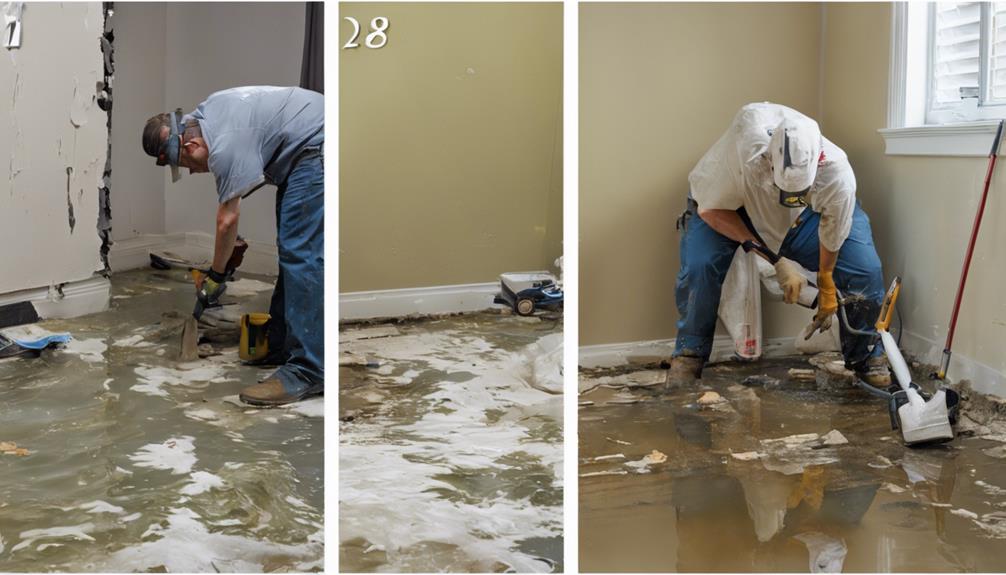
Knowing the repair timeframes by state can really help you understand your rights as a tenant.
Each state has specific guidelines that distinguish between urgent and non-urgent repairs, affecting how quickly your landlord must act.
Let's take a closer look at what you can expect in different states when it comes to fixing water damage.
Landlords across the United States face varying timelines for addressing water damage, as state laws dictate specific repair timeframes.
In California, for example, landlords must complete repairs within 30 days, but if there's an urgent health risk, they need to act within 24 to 72 hours.
In Florida, once tenants notify the landlord of water-related issues, repairs should begin within 7 days, especially if there are immediate safety risks.
In New York, landlords are expected to address water leaks within a reasonable time, often interpreted as 24 hours for urgent issues and up to 30 days for non-urgent repairs.
Texas doesn't set specific timelines, but landlords are generally expected to handle urgent repairs, like water damage, within 7 days after notification.
Illinois law mandates that urgent repairs, including significant water damage, must be handled within 24 hours, while non-urgent issues should be addressed within 14 days.
Understanding these repair timelines can help tenants know their rights and what to expect when dealing with water damage situations.
When it comes to water damage, distinguishing between urgent and non-urgent repairs can significantly impact how quickly issues get resolved.
Urgent repairs, like major leaks that threaten health and safety, typically need attention within 24 to 72 hours, depending on your state's regulations. For instance, in California, landlords must address urgent health hazards immediately. In Florida, landlords have 7 days to start urgent repairs after you've notified them.
On the other hand, non-urgent repairs, such as minor leaks or cosmetic issues, generally have longer repair timeframes. You can expect these to be resolved within 30 days in California, although some states might allow more time.
It's crucial for you as a tenant to provide timely notification to your landlord about any water damage. This helps ensure that the necessary repair timeframes are triggered, whether the repairs are urgent or non-urgent.
When you notice water damage, it's crucial to notify your landlord in writing as soon as possible.
This not only documents the issue but also establishes a timeline for necessary repairs.
To ensure timely repairs for issues like water damage, tenants should submit written repair requests to their landlords. This formal notification establishes a record and ensures compliance with California law. Your request should clearly describe the water issue, its impact on habitability, and include relevant details or photographs to support your claim.
Under California law, tenants have the right to expect landlords to address urgent repairs, such as significant water damage, within 24 to 72 hours after receiving your written repair request. Non-urgent repairs, like minor water damage, must be addressed within 30 days. It's crucial to be specific about the problem to help your landlord understand the urgency and scope of the repair needed.
Always keep a copy of your written repair requests. This documentation protects your rights and provides evidence of your communication in case further action is required.
Prompt notification of water damage is vital for tenants to ensure swift action from their landlords. When you notice significant water damage, you should notify your landlord in writing within 24 hours. This urgent notification importance can't be overstated; it establishes a formal record and initiates the repair process.
California law requires landlords to address urgent repairs, including water damage, within 24 to 72 hours of receiving notice. By acting quickly, you protect your rights and minimize potential further damage.
Keeping a copy of your notification is crucial, as it documents your efforts and provides evidence if your landlord fails to act in a timely manner.
If you don't notify your landlord promptly, you could be held responsible for any additional damage due to neglect. If you're unsure about the notification process or your rights, seeking legal advice can help clarify your responsibilities and options.
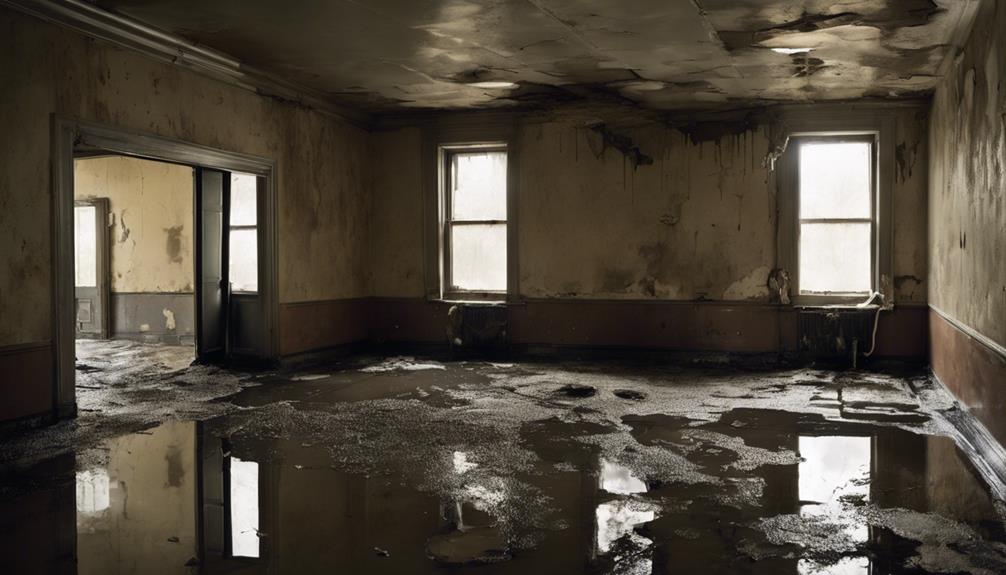
Delayed repairs for water damage can have serious consequences that extend far beyond mere inconvenience. If a landlord doesn't address water damage quickly, you may face significant health risks, such as mold growth, which can develop within just 24 to 48 hours. This can affect your safety and well-being in the property.
Moreover, neglecting urgent repairs can lead to structural issues, which often means higher repair costs down the line—sometimes even thousands of dollars.
As a tenant, you have rights. If your landlord fails to make necessary repairs within a reasonable timeframe, you might've grounds to withhold rent, potentially leading to legal disputes. Landlords who ignore their responsibilities may find themselves facing lawsuits for breach of the warranty of habitability, along with financial penalties.
Persistent water damage not only impacts your living conditions but also compromises the property's integrity. This can lead to long-term depreciation and decreased property value, affecting both you and the landlord.
In short, timely repairs are crucial for maintaining a safe, habitable environment for everyone involved.
Numerous resources are available to help tenants navigate the challenges of water damage repairs. In California, it's crucial to understand your rights regarding urgent repairs. If you report water damage to your landlord in writing, you create a formal record, which is essential for tracking timelines.
Remember, landlords must address urgent issues within 24 to 72 hours, while non-urgent repairs typically take up to 30 days.
To strengthen your position, document the damage with photographs and keep detailed records of all communications regarding repair requests. If your landlord fails to act promptly, you may have legal remedies at your disposal. Options like withholding rent or utilizing the "repair and deduct" method can be effective, but ensure you provide proper notification first.
Additionally, local tenant advocacy groups and the County of Los Angeles Department of Consumer and Business Affairs offer valuable guidance and support for tenants dealing with unresolved water damage issues.
Don't hesitate to reach out to these resources—they can help you navigate the complexities of landlord-tenant laws and ensure your living conditions meet safety standards. Being informed empowers you to take action when needed.
In California, a landlord's timeframe to fix issues depends on the urgency. For emergency repairs, you should expect action within 24 to 72 hours.
For non-urgent repairs, like minor leaks, you might wait up to 30 days after you've submitted written repair requests.
Your lease agreement outlines these obligations, ensuring your rights as a tenant.
If they fail to meet these maintenance obligations, you can explore legal remedies to enforce habitability standards.
In California, landlords must address mold problems promptly, especially if there are health risks involved.
You should notify your landlord in writing to establish your tenant rights and their legal obligations.
Typically, repair timelines for mold remediation are around 30 days for non-urgent cases, but urgent issues need immediate action.
If they fail to act, you have tenant remedies, including withholding rent or pursuing legal action, to ensure compliance with inspection processes and responsibilities.
In California, uninhabitable living situations include serious safety violations like severe water damage, mold growth, or lack of essential services.
As a tenant, you have rights regarding habitability standards and your landlord's legal obligations. If problems arise, you must provide notice and allow reasonable repair timelines.
If your landlord fails to act, you can explore tenant remedies, including withholding rent or initiating eviction processes, depending on your rental agreement's terms.
In California, landlords must restore your water service promptly, typically within a few days if it's completely shut off.
Under water shutoff regulations, you're entitled to a habitable living environment. If your landlord neglects this responsibility, you can invoke tenant rights and pursue legal remedies.
Document your tenant notifications to ensure a clear record of issues. Emergency repairs should be prioritized, and you may also want to consider water damage insurance for added protection.
In summary, it's crucial to know your rights as a tenant when it comes to water damage repairs. Your landlord has a responsibility to address urgent issues promptly, while non-urgent repairs may take longer. Always notify your landlord about any damage and keep records of your communications. If they delay necessary repairs, you have options to seek help. Stay informed and proactive to ensure your home remains safe and comfortable.
To get your insurance to pay for water damage, start by understanding your policy details. Document the source and extent of the damage with clear photos and a detailed inventory of affected items. Report the incident to your insurance agent immediately, ensuring you maintain records of all communications. Engage a licensed restoration service to mitigate further damage and keep receipts for any repairs. Be prepared to negotiate with the adjuster, providing supporting evidence for your claim. Knowing these steps can significantly improve your chances of a successful claim—there's more to discover about maximizing your coverage.
Assessing water damage is crucial for a successful insurance claim. To start, you need to immediately identify and document the source of the water. This step is vital because it helps you assess the damage accurately and supports your water damage claims.
For instance, understanding your insurance coverage for water damage, including potential liability coverage, can greatly influence the outcome of your claim. Take photographs and keep records of all affected areas and possessions. Remember, water damage can lead to mold growth within 24-48 hours, so timely evaluation and drying are essential to prevent further issues.
Next, categorize the water damage. There are three categories: clean water, gray water, and black water. Each category influences cleanup procedures and your insurance coverage, so classifying the damage correctly is important.
Your insurance policy typically covers sudden and accidental water damage, like burst pipes, but may exclude gradual damage due to neglect. Understanding your policy's specifics will help you navigate the assessment better.
Once you've assessed the extent of the water damage, it's time to turn your attention to your insurance policy. First, check if the damage is covered by your home insurance. Typically, policies cover sudden and accidental water damage, like burst pipes or appliance overflows.
However, gradual damage from neglect often isn't covered.
Be aware that standard homeowners insurance usually excludes water backup from sewers and drains, as well as flood damage, which requires a separate flood insurance policy. It's essential to review your specific policy details, as coverage for water damage claims can vary significantly between insurers.
Look for optional endorsements, like water backup coverage or sump overflow, which can provide extra protection against specific incidents.
Understanding your deductible amount and claim limits is crucial, as these factors directly affect the financial assistance you might receive for a water damage claim.
Once you discover water damage, it's crucial to contact your insurance agent right away to kick off the claims process.
Make sure to document everything with clear photos and videos before making any repairs, as this evidence will support your claim.
Understanding your coverage limits will help you navigate the reporting process and ensure you get the compensation you need.
Promptly reporting water damage to your insurance agent is vital for a smooth claims process. Most insurance companies offer 24/7 claim reporting, so don't hesitate to reach out immediately.
When you report water damage, provide detailed information about the incident, including the cause, extent of the damage, and any steps you've taken to prevent further issues. This information helps your insurance agent evaluate your claim effectively.
Before making any repairs or alterations, document the damage thoroughly with photographs and videos. This visual evidence is crucial for supporting your claim.
Be prepared to complete a proof of loss form as requested by your insurance company, which outlines the extent of the damages and the amount you're claiming.
If you initially reported the claim after hours, make sure to follow up with your insurance agent during business hours. Staying in touch ensures you're informed about the claims process and any necessary next steps.
Documenting the damage thoroughly is essential for a successful insurance claim. When water damage occurs, take immediate steps to capture the extent of the destruction. Use your smartphone or camera to take clear photographs and videos of all affected areas and items before making any repairs or alterations. This visual evidence will be crucial in supporting your claim.
Additionally, maintain a detailed inventory of damaged items, noting their make, model, and estimated value. This list can significantly enhance your insurance claim's credibility.
Don't forget to keep receipts for any temporary repairs or mitigation measures you take to prevent further damage; these expenses might be reimbursable under your policy.
It's also important to report the incident to your insurance company as soon as possible. Timely notification can expedite claims processing and minimize the risk of a coverage denial.
After reporting, follow up with your claims adjuster, ensuring you provide all necessary documentation, including a proof of loss form. This proactive approach will facilitate a quicker settlement process and help you recover the costs associated with the water damage.
Before you report water damage to your insurance company, it's crucial to understand the coverage limits outlined in your policy. Insurance may cover sudden and accidental water damage, but you need to know the specific events that qualify for coverage. This ensures you report the damage accurately and avoid unnecessary complications.
Timely reporting is critical. Most insurance companies require that you file claims within a certain timeframe—often just days after the incident—to prevent denial. Familiarize yourself with your policy's deductible amount, as this affects how much you'll receive after filing your claim.
When you report the damage, document everything meticulously. Take photographs and keep a detailed inventory of affected items to support your claim.
It's also wise to maintain a log of all communications with your insurance agent and adjuster, noting dates, times, and key discussion points. This creates a clear record that can help expedite your insurance claims process.
Ultimately, understanding what's covered by your homeowners insurance and how to navigate the claims process can make a significant difference in getting the support you need after water damage.
When dealing with adjusters, it's crucial to present thorough documentation of all damages to support your claim effectively. Start by taking detailed photographs of the affected areas and creating a list of damaged items, including their make, model, and value. This documentation will be essential for the adjuster to understand the extent of the loss.
Familiarize yourself with industry terminology, as adjusters often use specific terms in their reports. This knowledge will help you communicate more effectively.
Additionally, keep a detailed log of all interactions with the adjuster, noting dates, times, and conversation content. This log ensures accurate follow-up and accountability throughout the process.
Be prepared to negotiate the adjuster's initial settlement offer. Gather quotes from contractors and present evidence of the necessary repairs to advocate for a higher payout.
If you're unhappy with the adjuster's assessment, you have the right to appeal their decision. Provide additional documentation if needed, or consider hiring a public adjuster to represent your interests.
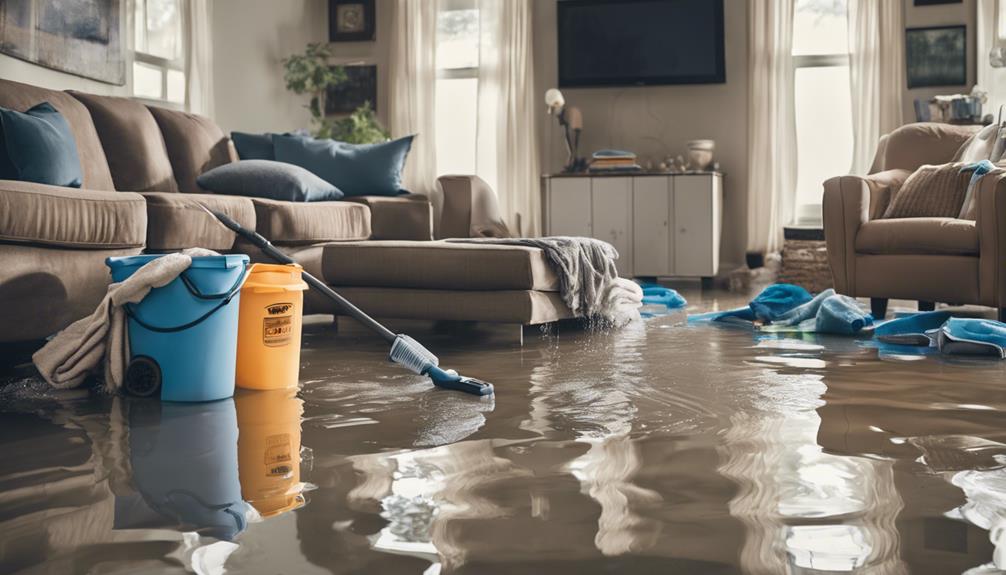
When water damage strikes, you need to act quickly to minimize further issues.
Start by engaging a licensed restoration company to handle the cleanup process effectively and in line with your insurance requirements.
Document every step you take to ensure you have the necessary proof for your claim.
Taking swift action is crucial after experiencing water damage to minimize further harm and ensure your insurance claim is successful. Here are the immediate cleanup actions you should take:
| Action | Purpose |
|---|---|
| Stop the source of water | Prevents further damage and mold growth |
| Document all damages with photos | Essential for your insurance claim |
| Dry wet areas using fans/dehumidifiers | Prevents mold and structural damage |
| Engage a licensed restoration company | Necessary for handling standing water |
| Maintain a log of communications/expenses | Supports reimbursement claims under your policy |
First, shut off the main water valve to stop the flow and mitigate damage. Next, document everything thoroughly; this evidence is vital for your insurance claim. Dry affected areas immediately, ensuring proper air circulation to prevent mold, which can start within 24-48 hours. If standing water remains, engage a licensed water damage restoration company to manage the situation effectively. Lastly, keep a detailed log of all related communications and expenses, as these may be reimbursable under your insurance policy. Taking these steps can significantly impact the outcome of your claim.
Engaging professional restoration services immediately after water damage is essential for effective cleanup and restoration. These experts are trained to remove standing water quickly, which is crucial since mold can develop within just 24-48 hours.
Licensed and insured water damage restoration companies use specialized equipment and techniques to thoroughly dry affected areas, significantly reducing the risk of mold growth.
When you hire professionals for water damage clean-up, they often provide written estimates for cleanup and repairs. This documentation can be invaluable when negotiating with insurance adjusters regarding the cost of damages.
Additionally, many restoration companies document the restoration process with photographs and records of services performed, which can strengthen your insurance claims. Insurance policies typically require that damages be mitigated properly to qualify for coverage under sudden or accidental water damage claims.
Thoroughly documenting your claim is crucial for ensuring your insurance company processes it smoothly and efficiently. Start by capturing clear photographs and videos of all water damage, including affected areas, before you begin any cleanup. This visual evidence is key to your insurance claim.
Next, maintain a detailed inventory of damaged personal property. List the make, model, and value of each item to provide comprehensive proof of your losses. Don't forget to keep receipts for any temporary repairs or mitigation efforts; these expenses might be reimbursable under your policy.
Additionally, create a log of all communications with your insurance company. Note dates, times, and the names of representatives you speak with to maintain a clear record of your claims process. This documentation will be invaluable if any disputes arise.
Lastly, submit a proof of loss form as requested by your insurance company. This form should detail the damages and estimated costs of repairs, helping to expedite your claims process.
Negotiating your settlement can feel daunting, but it's essential to ensure you receive fair compensation for water damage. Start by gathering thorough documentation of damages, including photos, estimates, and receipts. This evidence will help you present a compelling case to your insurance adjuster.
Familiarize yourself with the specific language in your policy regarding coverage and exclusions; understanding these details allows you to argue effectively for necessary claims.
If the initial settlement offer seems too low, don't hesitate to challenge it. Present comparable quotes from contractors to support your request for negotiating a higher payout. This can make a significant difference in the final amount you receive.
Keep a detailed log of all communications with your insurance company, noting dates, names, and conversations. This record can clarify any discrepancies and strengthen your negotiation efforts.
If you find the process overwhelming, consider hiring a public adjuster. They can advocate on your behalf, using their expertise to negotiate better settlements and streamline the claims process.
If your insurance claim for water damage has been denied or you feel the settlement offer is inadequate, seeking legal assistance can be a crucial step. Consulting an attorney experienced in insurance disputes can provide you with valuable insight into potential legal actions and negotiation strategies.
They'll help you navigate the complexities of your insurance policy and state laws, ensuring you fully understand your rights regarding coverage and claims.
An attorney will assist in gathering and presenting necessary evidence, such as documentation of the water damage, records of communication with the insurance company, and relevant policy details to bolster your case.
If your situation involves third-party liability, your lawyer can pursue compensation from those responsible, potentially easing your deductible burden through successful subrogation.
Moreover, having legal representation often increases the chances of a favorable settlement. Insurers may be more willing to negotiate when they recognize the possibility of facing legal action.
Ultimately, enlisting an attorney can empower you in your fight for a fair resolution to your water damage claims, ensuring you're not left to navigate the process alone.
A water damage claim might be denied for several reasons. Common denial reasons include policy exclusions, like coverage for gradual leaks or flood damage.
If you haven't maintained your property, such as ignoring a long-term leak, that could also lead to a denial.
Documentation is crucial; without proper evidence of the damage and maintenance, your claim mightn't stand a chance.
Always keep detailed records to support your case when filing a claim.
When it comes to insurance for water damage, you need to understand your policy limits and what's covered.
Standard homeowners insurance often excludes flood coverage, so you might need separate flood insurance.
If you encounter water damage, promptly initiate the claim process—most insurers offer 24/7 reporting.
Make sure you review your policy details to ensure you're adequately protected against various types of water-related incidents.
To make a successful water leak insurance claim, you need to focus on claim documentation tips.
Start by documenting damage and common leak sources, like broken pipes or roof issues. Take clear photos and keep records of repairs.
Implement preventive maintenance strategies to avoid future leaks, which can strengthen your claim.
Stay organized and maintain clear communication with your insurer to ensure a smoother claims process and better chances of approval.
Filing a homeowners insurance claim has its disadvantages. You might face claim frequency impact, where frequent claims label you as a higher risk, making it tougher to find affordable coverage later.
Additionally, consider deductible considerations; sometimes, the payout isn't worth it if your deductible exceeds the damage costs.
Plus, you risk premium increase risks, with rates potentially rising by 20% to 40% after just one claim. Weigh these factors carefully before filing.
In the end, getting your insurance to cover water damage can be straightforward if you follow the right steps. By assessing the damage, understanding your policy, and documenting everything thoroughly, you'll strengthen your claim. Don't hesitate to negotiate and seek legal help if needed. Stay proactive throughout the process, and you'll increase your chances of receiving the compensation you deserve. Remember, you're not alone in this—many have navigated these waters successfully before you.
Each year, one in fifty homeowners files a claim for water damage. This shows how quietly water can damage homes. As homeowners deal with this damage, figuring out insurance claims can add to the stress. We’re here to share important tips for water damage claims. These tips help you get the most from your insurance. Knowing how to prepare water damage documents is key. It can speed up your claim and help you recover faster from this unplanned event.
Recovery starts with focusing on the details. From the first signs of water damage to listing all losses, every detail matters. Many things affect how fast and how much settlement you can get. Now, it’s easier to document evidence digitally, but it’s often forgotten in the rush to fix the damage. With our expert water damage claim tips and careful assessment, homeowners can feel in control. This confidence helps secure the needed funds for full repairs.
Keep an eye out as we reveal effective yet simple strategies. They could help you greatly when filing water damage insurance claims.
Dealing with water damage at home demands quick and careful action. It’s key to document everything well to support your insurance claim. This process must be detailed and precise, covering all affected areas and items.
This ensures you can share a complete claim with your insurance, affecting the result. With the right approach, documenting water damage for insurance can be effective.
Right after water damage happens, assess and document the damage right away. Start by recording the condition of your home and belongings. Do this before cleaning up to keep an accurate record.
As you clean and fix things, keep noting down any new damage you find. This careful recording is very helpful when you talk to your insurance about the damage.
Photos play a big part in documenting water damage. A water damage photo checklist helps you not miss important shots. Make sure to take wide and close-up pictures of the damage, including structural parts like walls and floors.
Also, snap pictures of serial numbers and info for affected electronics and appliances.
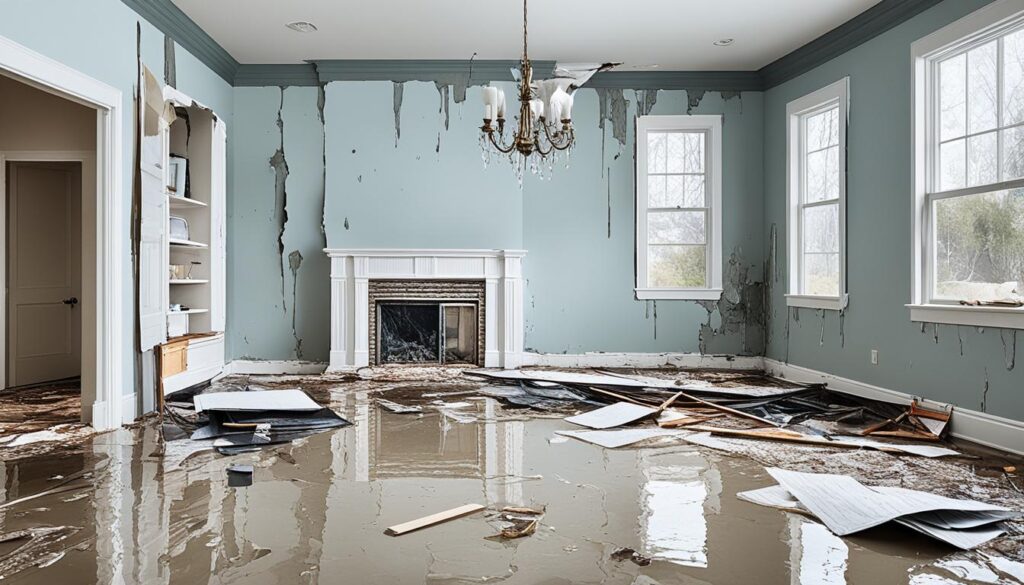
After you assess the damage and take photos, organize all your documents. Making a detailed list with descriptions and values helps. Keep all documents, like photos and receipts, in folders, both digitally and physically.
This keeps everything together, making the insurance claims process smoother. An organized way helps you communicate better with everyone involved.
In the end, documenting water damage thoroughly is crucial for your claim. By assessing damage, following a photo checklist, and organizing documents, you set up a strong claim. The details and accuracy of your documentation greatly impact your insurance claim’s success.
At first, filing an insurance claim for water damage might seem tough. But knowing the steps for filing a water damage claim can make things less stressful. It helps homeowners get the money they need to fix their property. Let’s take a closer look at the key steps of the water damage insurance claim process. This will show what policyholders can expect.
Insurance policies vary, which can greatly affect your claim’s outcome. Below is a table that compares different insurance companies’ policies.
| Insurance Company | Coverage | Deductible | Claim Support | Resolution Timeline |
|---|---|---|---|---|
| Company A | Comprehensive water damage | $500 | 24/7 claim hotline | Within 30 days |
| Company B | Limited to plumbing issues | $1000 | Online support only | 45-60 days |
| Company C | Excludes flood damage | $750 | Dedicated adjuster | 30-45 days |
When dealing with insurance claims, acting quickly and keeping detailed records are crucial. The sooner you talk to your insurer and submit a detailed claim, the easier it gets. Remember, claims can be negotiated. Knowing your policy well and taking charge can improve your chances of a better outcome.
“Good preparation and knowing your insurance policy well are key to a successful water damage claim. They give homeowners the confidence to go through the process.”
If you find the process hard or feel stressed, think about getting a public adjuster or legal advice. These experts can offer great support. They can help make sure your claim covers as much as possible and that you get a fair payment for the water damage.
Acting quickly is crucial when you find water damage. It may feel overwhelming, but it’s important to start on the initial steps after water damage right away. Here’s what you need to do to protect your home and things after finding water damage.
The first thing to do is make sure everyone is safe by shutting off water and power in the affected areas. This helps stop more damage and keeps you safe from electrical problems. Find and turn off the main water and power switches quickly.
Some parts of your property might still be dry. It’s key to protect property that isn’t wet yet. Move things to dry areas and cover furniture with plastic. This helps keep more of your stuff safe from water damage.
After you’ve made sure everyone is safe, tell your insurance company about the water damage. Talking to them soon can help speed up your claim and they’ll tell you how to work with a water damage repair service.
| Action Item | Immediate Steps | Notes |
|---|---|---|
| Safety First | Shut off water and power | Prevents electrical hazards and further water flow |
| Property Protection | Move belongings to dry areas | Shield unaffected property from potential damage |
| Insurance Communication | Contact your provider | Initiates the claim & guides further restoration action |
By taking these important steps, you can act firmly to handle the situation. Remember, staying safe is the top priority. Keeping calm will help you manage this unexpected problem better.
We’re wrapping up our deep dive into handling water damage insurance claims. Preparation is everything. From discovering water damage to settling claims, the steps we take are crucial. They greatly impact our insurance outcome. This guide aimed to help homeowners. It highlighted the need for good record-keeping, understanding the claims process, and quick action.
Keeping a vigilant eye and staying organized is essential. Document every bit of water damage with clear photos. Keep a detailed timeline and organize all your claim documents well. By doing this, you’re not just protecting yourself. You’re also ready to face complex talks with your insurance company.
Our final takeaway is this: Knowledge and preparation are powerful. They help you understand your policy, protect your home, and gather evidence of damage. With this info, you can make smart decisions, negotiate well, and get what your insurance owes you. Although we hope you’ll never face water damage, being informed makes a big difference if you do.
Each year, floods rack up over $40 billion in damages worldwide. This big number highlights the importance of Flood Water Removal Techniques. When water levels rise, quick water extraction and emergency water removal are key. They help avoid total loss and start recovery.
First, know how the water mitigation process works in flood situations. We will lead you through effective water damage cleanup strategies. This guide covers everything, including getting help from professional flood restoration experts for high-quality water removal.
It’s about keeping you safe and getting things back to normal after a flood. Follow us for tips to handle flood aftermath smartly.
Dealing with flood aftermath is important for both property owners and experts. They must know the dangers and how to stay safe. This knowledge prevents harm to people and further damage to property.
It’s essential to follow safety steps during flood cleanups to avoid accidents. Wearing the right protective gear is key. Here’s what you need:
Check the building’s stability and flood risks before starting cleanup. Safe operations need a strong structure.
Evaluating flood severity helps plan the cleanup. Look at water depth, how long the area was flooded, and water type. Below is a checklist:
Structural Stability Assessment Checklist
| Assessment Area | Details | Required Action |
|---|---|---|
| Foundation Integrity | Inspect for cracks and settling | Stabilize if compromised |
| Wall Strength | Check for bulging or warping | Support or remove unstable sections |
| Floor Systems | Examine for sagging or buckling | Reinforce if necessary |
| Utility Connections | Assess electrical and plumbing systems for damage | Disconnect and repair before cleanup |
The U.S. Army Corps of Engineers is key in managing floods. They offer their expertise and help during floods. Working with the Corps gives access to expert advice and complies with laws.
Communities worldwide are tackling floodwater challenges head-on. The shift from old methods to modern solutions is pivotal. Now, we focus on technological advances that make fighting floods more effective.
For years, sandbags were the go-to for flood defense. But, they require a lot of work and don’t always keep water out. Nowadays, we have self-inflating sandbags and water-filled cofferdams. These options are quicker to deploy and better for the environment.
Pumps are a game-changer in removing floodwater. They can move huge amounts of water quickly. For indoor floods, wet vacuums help clean up. This is often the first step in fixing water damage.
New technologies are improving flood cleanup. Tools now have sensors to measure moisture accurately. Smart systems can even control pumps automatically, making water removal more efficient.
These new methods make dealing with floods better. They help build stronger communities and infrastructures. By adopting these techniques, we can lessen flood damages and speed up recovery.
Being hit by a flood can feel overwhelming, but knowing how to remove flood water from your house helps a lot. For residential flood water removal, it’s key to focus on safety, being thorough, and quick. Doing this ensures effective water damage restoration in your home.
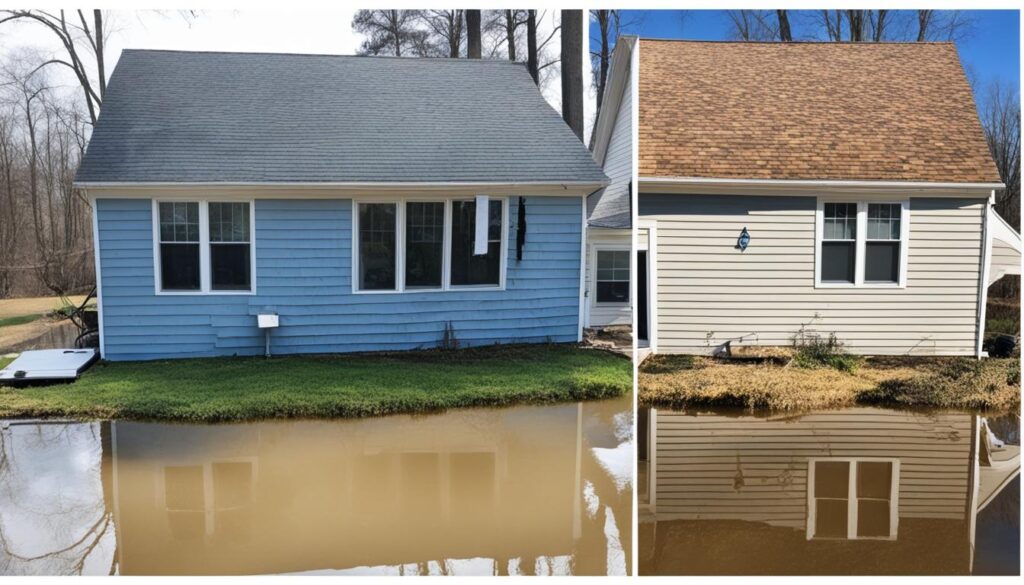
To properly begin water damage restoration in homes, you need a step-by-step plan to get rid of the flood water. These steps are vital:
When it comes to thorough water damage repair, many homeowners turn to pros. These experts have both the skills and the right gear for proper residential flood water removal.
Remember: Acting fast is key to preventing mold and further damage to your home.
Here is a table showing some gear and points to consider for residential flood water removal.
| Equipment/Consideration | Function/Importance |
|---|---|
| Submersible Pumps | Great for getting rid of large amounts of water quickly |
| Wet/Dry Vacuums | Crucial for pulling water out of floors, carpets, and fabrics |
| Air Movers and Dehumidifiers | They help dry things faster and remove moisture from the air |
| Personal Protective Equipment (PPE) | Keeps you safe while cleaning up |
| Professional Assessment | Makes sure everything is checked and fixed right after the water is gone |
Choosing professional water damage restoration services for the clean-up and repairs makes a huge difference. A good restoration company takes care of the whole process, ensuring your home becomes safe and cozy again.
Knowing these methods and acting quickly can save you a lot of time and money. If you ever experience a flood, start these steps right away or call a pro to help with residential flood water removal and protect your home.
Looking back, we learned how crucial safe water extraction and damage control are after a flood. We saw that successful flood cleanup requires careful planning and a deep understanding of the risks. It’s not about luck. Each step, from wearing the right safety gear to using advanced tools, is critical. These steps help reduce water damage and make recovery easier.
Floods can happen suddenly, causing major damage. Yet, with expert flood restoration techniques and careful following of advice, we can be ready. This readiness helps us face water disasters directly. It’s not only about fixing properties but also about helping people get their lives back to normal. A careful plan for removing flood water is vital to keep people safe and buildings strong.
In sum, this guide gives us a strong base to understand flood water removal’s complex aspects. A mix of safety, effectiveness, and new technology is important. For those dealing with flood challenges, using these cleanup tips is crucial for safe and successful restoration. Acting quickly and focusing on prevention can lessen water damage effects. This protects our homes and businesses.