Mold Inspection Los Angeles
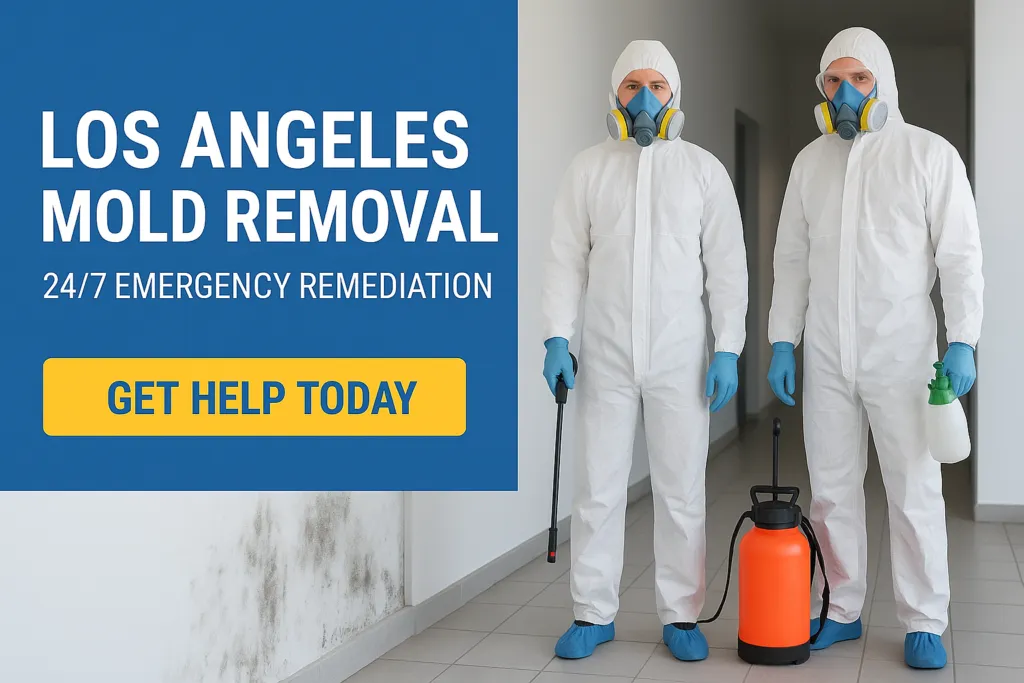
Understanding Mold Assessment and Remediation in Los Angeles
Addressing mold issues is crucial for homeowners and property managers, especially in the humid climate of Los Angeles. This guide provides essential information on the significance of mold evaluations, effective testing methods, and the remediation processes necessary to ensure a safe and healthy living environment.
What is Mold and Why is it a Concern?
Mold is a type of fungus that thrives in damp conditions, often found in homes and buildings. It can grow on various surfaces, including wood, drywall, and carpets. Exposure to mold can lead to health issues such as respiratory problems, allergies, and other serious conditions. Therefore, timely identification and remediation are essential for maintaining a healthy living space.
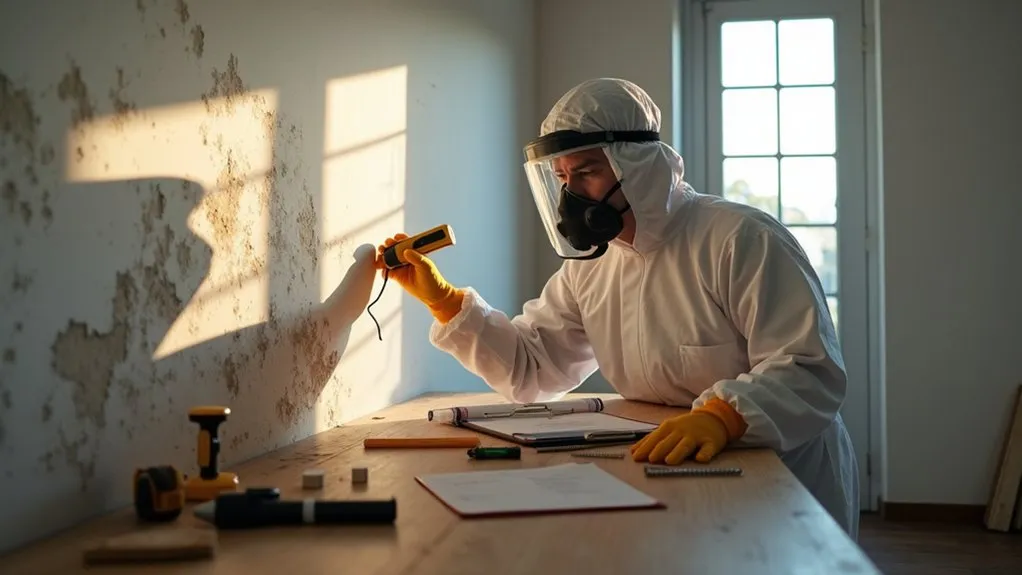
The Importance of Professional Evaluations
Engaging a qualified expert for mold assessments is crucial for several reasons:
- Expertise: Trained inspectors can identify mold growth that may not be visible to the untrained eye.
- Comprehensive Evaluation: A thorough assessment includes evaluating air quality, moisture levels, and potential sources of mold.
- Preventative Action: Early detection can prevent extensive damage and costly remediation efforts in the future.
Effective Testing Techniques
There are various methods employed to test for mold presence, including:
| Testing Method | Description |
|---|---|
| Air Sampling | Collects air samples to analyze the concentration of mold spores in the environment. |
| Surface Sampling | Involves taking samples from surfaces suspected of mold growth for laboratory analysis. |
| Bulk Sampling | Involves removing a piece of material suspected of mold growth for testing. |
Understanding the Remediation Process
Once mold is detected, remediation is necessary to eliminate the problem. The remediation process typically involves:
- Containment: Isolating the affected area to prevent the spread of mold spores.
- Filtration: Using specialized equipment to filter out mold spores from the air.
- Removal: Safely removing contaminated materials and cleaning surfaces.
- Prevention: Implementing measures to prevent future mold growth, such as improving ventilation and addressing moisture issues.
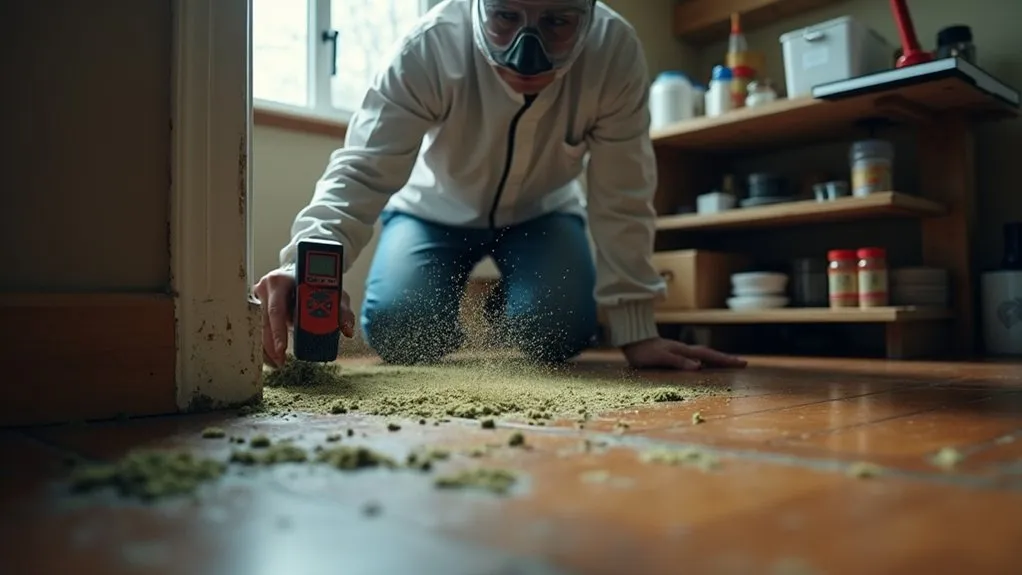
Selecting the Right Mold Inspection Service
When choosing a mold inspection service, consider the following factors:
- Certifications: Ensure the company is certified and adheres to industry standards.
- Experience: Look for companies with a proven track record in mold assessments and remediation.
- Customer Feedback: Check reviews and testimonials to gauge the quality of service provided.
By understanding the significance of mold assessments and remediation, homeowners can take proactive steps to protect their properties and health. In the next section, we will address common questions regarding mold inspections and provide expert insights to help you make informed decisions.
Common Questions About Mold Inspections
As homeowners consider mold assessments, they often have several questions. Here are some of the most frequently asked questions:
| Question | Answer |
|---|---|
| How often should I have my home inspected for mold? | It is recommended to have a mold inspection every 1-2 years, especially if you live in a humid area or have experienced water damage. |
| What are the signs of mold growth? | Common signs include a musty odor, visible mold growth, water stains, and increased allergy symptoms among residents. |
| Can I perform a mold inspection myself? | While DIY inspections can help identify visible mold, professional assessments are recommended for thorough evaluations and accurate testing. |
| How long does the remediation process take? | The duration of remediation varies based on the extent of the mold problem, but it typically takes a few days to a week. |
Pros and Cons of Mold Remediation Services
Understanding the advantages and disadvantages of hiring professional mold remediation services can help you make an informed decision:
| Pros | Cons |
|---|---|
| Expert knowledge and experience in identifying and addressing mold issues. | Can be costly, depending on the extent of the mold problem. |
| Access to specialized equipment for effective mold removal. | Some companies may use aggressive chemicals that could pose health risks if not handled properly. |
| Comprehensive assessments that include air quality testing and moisture evaluation. | Not all companies provide the same level of service; quality can vary. |
| Long-term solutions to prevent future mold growth. | Remediation does not address underlying issues, such as leaks or humidity, which must also be managed. |
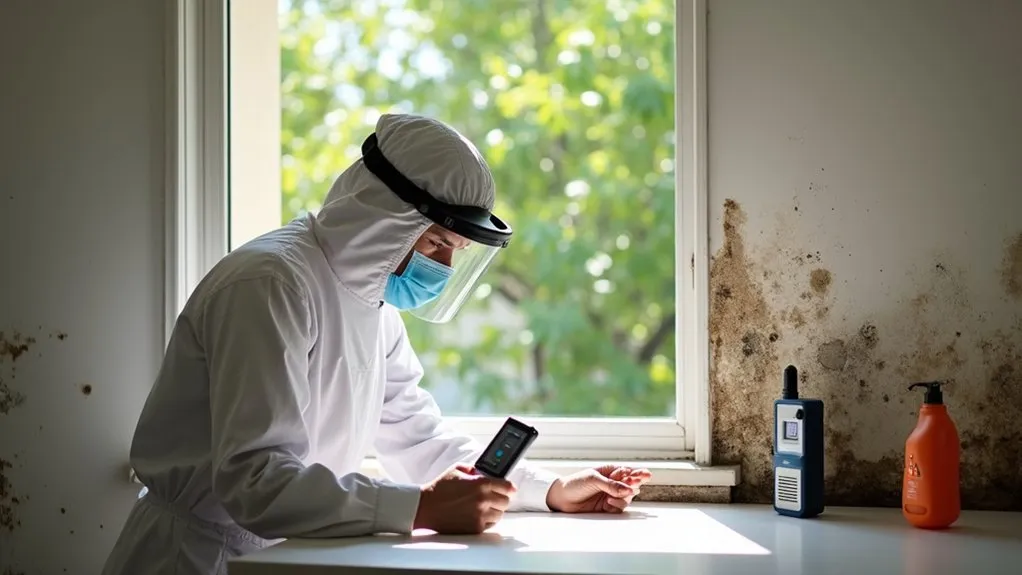
Key Points to Consider Before Hiring a Service
Before selecting a mold inspection or remediation service, keep these important points in mind:
- Get Multiple Quotes: Compare prices and services from different companies to ensure you receive a fair deal.
- Check Credentials: Verify that the company is licensed, insured, and certified in mold remediation.
- Ask About Their Process: Understand the steps they take during inspections and remediation to ensure they follow industry best practices.
- Inquire About Warranties: Some companies offer warranties on their work, providing peace of mind that the issue will be resolved.
- Read Reviews: Look for customer testimonials and reviews to gauge the quality of service provided by the company.
Conclusion
Mold assessment and remediation are critical for maintaining a safe and healthy living environment. By understanding the importance of professional evaluations, effective testing methods, and the remediation process, homeowners can take proactive steps to protect their properties. Always consider the pros and cons of hiring a service, and make informed decisions based on thorough research and expert advice.
For any further questions or to schedule an inspection, don’t hesitate to reach out to a qualified mold assessment professional in your area. Taking action now can save you time, money, and health issues in the future.