
Water damage restoration in Los Angeles requires immediate action, technical precision, and compliance with industry drying standards. In dense urban environments like Downtown LA, water intrusion from burst pipes, slab leaks, roof failures, or appliance overflows can quickly escalate into structural deterioration and mold amplification within 24–48 hours.
Whether the issue affects a residential condo, commercial office, or multi-unit property, rapid mitigation reduces repair costs and protects indoor air quality. Professional restoration teams use commercial extraction systems, moisture mapping tools, and calibrated dehumidification equipment to return building materials to pre-loss condition safely.
Call Now – (323) 825-3485
Standing water must be removed before structural absorption spreads.
Emergency water extraction services in Los Angeles reduce secondary damage such as warped flooring, drywall swelling, and electrical risk.
After extraction, controlled drying prevents microbial growth and hidden moisture pockets.
Structural drying in Los Angeles properties typically ranges from 3–5 days depending on material saturation and humidity levels.
If moisture remains untreated, mold amplification can begin rapidly.
Sewage cleanup in Los Angeles requires Category 2 & 3 water sanitation protocols to eliminate bacteria and pathogens safely.
Water damage should be mitigated within the first 24 hours. Delays increase structural absorption and mold growth risk, leading to higher repair costs and extended restoration timelines.
Most policies cover sudden and accidental water damage (e.g., burst pipes). Gradual leaks or neglect may not qualify. Proper documentation from restoration professionals improves claim approval likelihood.
Typical drying takes 3–5 days. Severe saturation or high humidity may extend the process. Moisture readings determine completion—not visual dryness.
• Immediate response reduces total repair costs
• Professional drying prevents mold amplification
• Insurance documentation supports smoother claims
• Urban LA properties require fast dispatch capability
Water damage restoration in Los Angeles is a time-sensitive process that demands certified mitigation, precise drying, and thorough sanitation.
Water Damage Los Angeles
📞 (323) 825-3485
📍 1152 S Olive Street, Los Angeles, CA 90015
Serving Downtown Los Angeles and surrounding communities.
You can test for mold in your house by combining a visual moisture check with targeted sampling. A mold inspection typically starts with finding water intrusion, musty odors, and visible growth, then confirming conditions with tools like moisture meters and thermal imaging. Lab-tested air or surface samples help identify mold types and spore levels.
DIY kits can show that mold exists, but they often can’t pinpoint the moisture source, scope, or whether spores are elevated compared to outdoors. A mold inspection pro is more likely to find hidden reservoirs and document conditions for landlords, buyers, sellers, or insurance conversations.
| Option | Best for | Pros | Limits |
|---|---|---|---|
| DIY petri dish kit | Curiosity checks | Cheap, fast | Not diagnostic; false alarms common |
| DIY swab test | Testing a visible spot | Simple sampling | Doesn’t measure airborne risk or source |
| Professional mold inspection and testing | Whole-home assessment | Finds moisture source, hidden growth, actionable plan | Higher mold inspection cost |
Call a mold specialist if you smell musty odors, see repeated condensation, had a leak, notice warped drywall, or have symptoms that improve when you leave the house. In humid coastal areas, searches like mold inspection Long Beach, mold inspection Los Angeles, and mold inspection Santa Monica are common because moisture issues can be persistent.
During a mold inspection, the inspector looks for moisture problems, visible growth, and conditions that support mold. They may use moisture meters, thermal imaging, and hygrometers, then take air and/or surface samples for lab testing. You’ll usually receive a report outlining findings, likely causes, and next steps.
Companies branded around testing, such as Mold Inspection Sciences or similar providers, often emphasize standardized sampling, lab analysis, and documented moisture diagnostics. Regardless of brand, prioritize clear methodology, transparent pricing, and a report that identifies the moisture source—not just a spore count.
A mold inspector typically charges based on home size, inspection depth, and how many samples go to the lab. Mold inspection cost often increases when air samples are taken in multiple rooms or when advanced moisture diagnostics are needed. In many cases, you’ll pay a base inspection fee plus per-sample lab fees.
| Service | Typical range | What affects price most |
|---|---|---|
| Visual mold inspection only | $200–$500 | Size, travel, complexity |
| Mold inspection and testing (air + surface) | $400–$900 | Number of samples, lab fees |
| Larger homes or extensive sampling | $900–$1,500+ | Multiple zones, HVAC testing |
A free mold inspection is often a marketing offer from a remediation company that intends to perform the cleanup. It can be useful for a quick opinion, but it may not be impartial. If you want a neutral assessment, consider an independent inspector—especially for real estate decisions.
In urgent situations like an active leak or visible growth, a free evaluation may help you triage. To reduce bias, request photos, moisture readings, and a written scope, and compare it with another estimate or an independent mold inspection Los Angeles provider.
A mold inspection is worth it when you need to confirm hidden mold, locate the moisture source, or document conditions for a purchase, sale, tenant issue, or recurring health complaints. It’s also valuable after water damage to verify whether mold growth is likely. If you already see obvious mold, the inspection helps define scope.
If you’re searching mold inspection near long beach, ca, mold inspection huntington beach, or mold testing Orange County, humidity and marine layers can increase condensation and hidden moisture. In those conditions, inspections that include moisture mapping and targeted air sampling can be more useful than visual checks alone.
| Option | Best for | Pros | Cons |
|---|---|---|---|
| Independent mold inspector | Neutral diagnosis | Less conflict of interest, documentation-focused | Separate cost from remediation |
| Remediation company inspection | Fast path to cleanup | May bundle services, quicker scheduling | Can be sales-driven |
Look for clear sampling plans, transparent mold inspection price, and strong moisture diagnostics. A mold specialist Los Angeles should explain what caused the problem and how to prevent recurrence.
Ask whether the inspection includes humidity and ventilation assessment, especially near windows, exterior walls, and bathrooms where condensation is common.
Confirm the inspector checks coastal moisture patterns, window condensation, and HVAC performance, not just visible mold.
mold inspection woodland Hills, mold inspection pasadena, mold inspection santa clarita, mold inspection orange county, mold inspection sciences los angeles
You can test for mold in your house by inspecting for moisture and visible growth, then using tools like moisture meters and thermal imaging to find hidden dampness. If confirmation is needed, take air or surface samples and send them to a lab. Testing is most useful when paired with finding the moisture source.
A mold inspector usually charges a base fee plus additional lab fees for samples. Typical mold inspection cost ranges from about $200–$500 for visual-only inspections and $400–$900 for inspections that include air and surface testing. Larger homes or extensive sampling can cost $900–$1,500+.
Mold inspection is worth it when you suspect hidden mold, have recurring musty odors, experienced water damage, or need documentation for a real estate transaction. It helps identify the moisture source and the scope so you can plan repairs and remediation correctly. It’s less valuable for a small, obvious spot with a known cause.
During a mold inspection, the inspector checks for water intrusion and mold-friendly conditions, measures moisture, and may use thermal imaging to find hidden dampness. If needed, they collect air or surface samples for lab analysis. You’ll typically receive a report with findings, photos, and recommended next steps.
Mold reproduces by releasing spores that thrive in moist environments, needing high humidity and poor ventilation to grow. Common indoor molds, like Aspergillus and Penicillium, can cause respiratory issues and worsen asthma. To prevent mold, keep humidity below 60%, fix leaks, and guarantee good ventilation. If mold’s present, wear protective gear for cleanup or consult professionals for severe cases. Understanding these factors helps you manage mold effectively and safeguard your health and surroundings as you learn more about it.

Mold, a fascinating yet potentially troublesome fungus, reproduces by releasing tiny spores into the air. These spores settle on damp surfaces, which are ideal conditions for mold growth. High humidity and moisture levels above 60% provide the perfect environment for spores to germinate.
Once they find a suitable spot on organic matter, like wood or fabric, they develop into multicellular filaments called hyphae. These hyphae form a network known as mycelium, enabling mold to reproduce rapidly. A single colony can produce millions of spores quickly, posing significant health risks if mold proliferates indoors. Timely restoration of water damage is essential to prevent such growth and protect health.
While mold decomposes organic matter in nature, its presence in your home can lead to respiratory issues and other health problems, necessitating prompt attention and remediation.
When it comes to mold growth in homes, moisture is the primary culprit, often lurking in unexpected places. You might notice it in the form of water leaks or condensation in high humidity areas like bathrooms and kitchens.
If your home’s relative humidity levels hover above 60%, you’re creating a perfect environment for mold spores to thrive. These spores find nutrients on organic materials such as wood, paper, and fabric.
Poor ventilation can trap this humidity, further encouraging mold growth, especially in basements and attics. This unchecked mold can have serious health impacts.
To combat this, quickly address any water damage and keep indoor humidity below 55%. Doing so considerably reduces the risk of mold proliferation, protecting both your home and health.
You’re likely to encounter several types of mold in indoor environments, each with unique colors, textures, and associated health risks.
For instance, Aspergillus can thrive in HVAC systems, posing health risks, especially to those with weakened immune systems, while Cladosporium, often found on decaying plants, can trigger asthma flare-ups in damp areas.
Recognizing these molds and understanding their potential effects on health is vital for maintaining a safe and healthy indoor space.
Although mold is a common household issue, understanding the types you’ll likely encounter indoors can help manage their impact.
Various mold species thrive in indoor environments, especially where there’s water damage. Aspergillus is often found on dust and food, and can release mycotoxins, posing health issues through mold exposure.
Cladosporium, residing on fabrics and wood, can trigger mold allergies, especially in asthma-prone individuals.
Penicillium grows in damp areas like basements, often after water damage.
Alternaria, typically from soil, is another culprit for allergic reactions.
Finally, Stachybotrys, or black mold, thrives in moist conditions, producing dangerous mycotoxins.
Recognizing these indoor mold types can help you better manage health risks and maintain a safer home environment.
Identifying the colors and textures of mold in your home provides insights into the specific species you’re dealing with and the conditions they’re thriving in.
Mold colors can range from black, green, white, yellow, to blue, each hinting at different species and environments. For instance, Cladosporium appears greenish or black, often gracing fabrics and wooden surfaces in varied temperatures.
Aspergillus, with its fuzzy texture, lurks on dust, food, and building materials, sometimes producing harmful mycotoxins. Penicillium is typically blue or green, velvety, and loves water-damaged spots.
Meanwhile, Stachybotrys, or black mold, stands out as a dark greenish-black presence in damp areas, releasing mold spores that can be dangerous.
Knowing these distinctions helps you understand and address mold issues effectively.
When considering the health risks posed by indoor molds, it’s vital to understand the types commonly found in homes.
Mold grows in various environments, and exposure can lead to serious health issues. Aspergillus, Cladosporium, and Penicillium are prevalent indoors. Aspergillus often inhabits HVAC systems and produces mycotoxins that threaten those with weakened immune systems.
Cladosporium lurks in damp fabrics and wood, exacerbating asthma and causing symptoms such as sneezing. Penicillium appears on water-damaged surfaces, leading to allergic reactions and respiratory problems.
Stachybotrys, or black mold, thrives in wet areas, producing dangerous mycotoxins linked to severe health concerns, including respiratory distress.
To maintain health, it’s important to prevent mold growth by controlling moisture and ensuring proper ventilation.
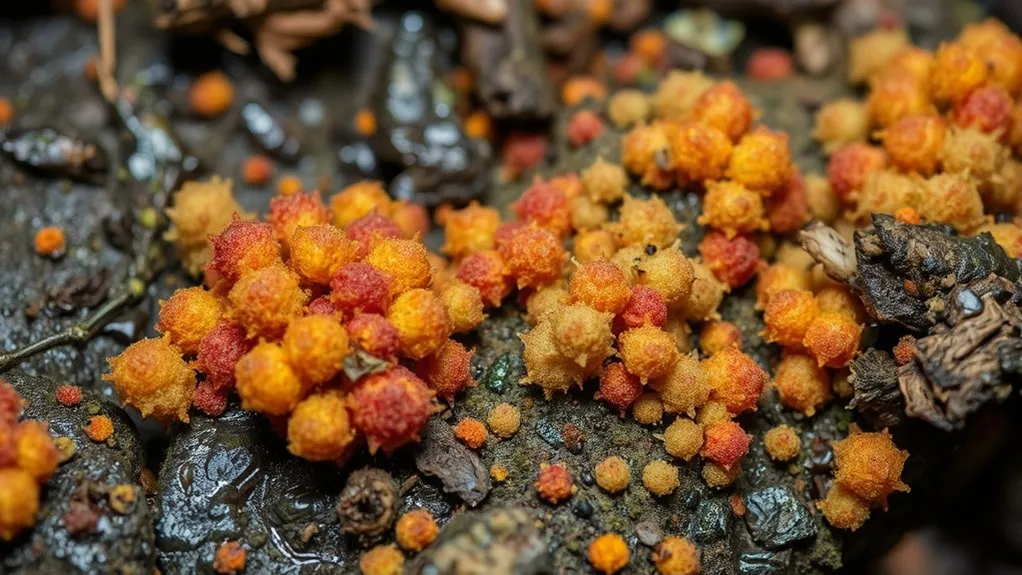
If you’re worried about mold exposure, it’s important to understand the health risks it poses. Mold can cause significant health issues, especially for those sensitive or with pre-existing respiratory conditions.
Mold exposure can lead to respiratory problems like coughing and wheezing. Certain molds produce mycotoxins, which can be particularly dangerous, affecting your health in several ways:
Long-term exposure is linked to chronic respiratory conditions, highlighting the importance of addressing mold promptly.
How can you tell if mold is lurking in your environment? Begin by trusting your senses. A musty or earthy smell in your indoor air often hints at mold growth.
Look for visual signs, like green, black, or yellowish stains on walls or ceilings. These could indicate hidden mold behind damp surfaces. High humidity levels, especially above 70-75%, can foster mold proliferation.
Regular cleaning helps, but it’s essential to monitor areas like gypsum wallboard and vinyl coverings that trap moisture. Identifying moisture sources is vital since they contribute to mold growth and potential health impacts.
If you suspect mold, professional assistance might be necessary to effectively address and remediate the issue, ensuring a healthier living environment for you and your family.
To effectively prevent mold growth in your home, it’s important to manage moisture levels diligently. Keeping indoor humidity below 60% is essential, as higher levels foster mold-friendly conditions.
Regular inspections and prompt repairs of leaks in roofs, pipes, and foundations are critical for reducing unwanted moisture. Using dehumidifiers, especially in moisture-prone areas like basements and bathrooms, helps keep conditions dry and mold-free.
Proper ventilation also plays a key role in preventing mold growth.
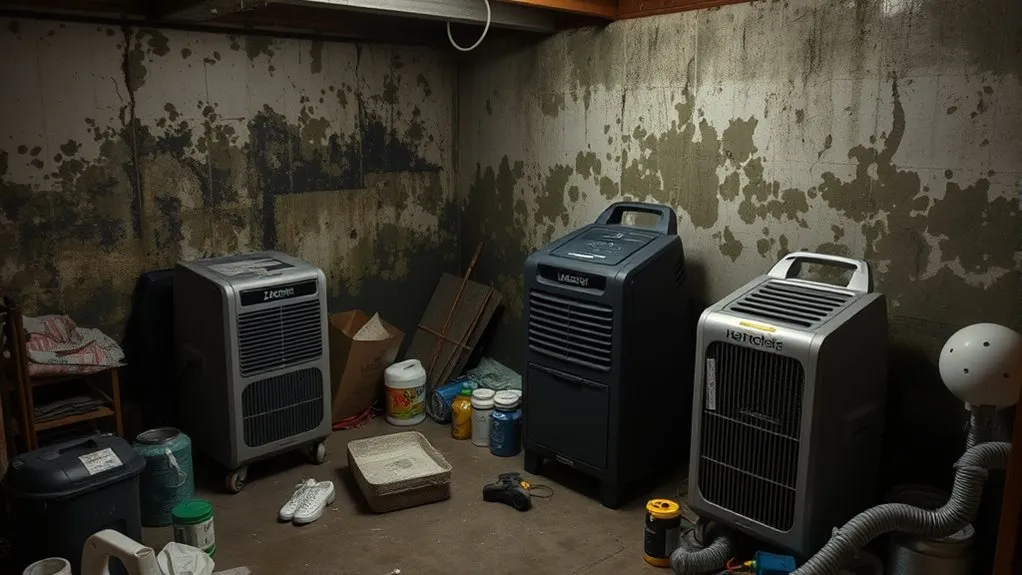
While mold can be a persistent problem, managing and remediating mold-infested areas begins with swiftly identifying and addressing moisture sources.
Fix leaks and reduce humidity immediately, as mold thrives in damp environments.
During cleanup, wear protective gear like gloves, masks, and goggles to prevent health risks from mold spores.
Use diluted bleach solutions or commercial mold removers on non-porous surfaces.
For porous materials, consider removal if they’re heavily infested.
After cleanup, guarantee proper ventilation, and use dehumidifiers to keep indoor humidity below 60%, which helps prevent mold from returning.
If the mold problem is extensive or persistent, consult professional remediation services.
They’ve the expertise and equipment to effectively handle significant mold issues and guarantee your health remains protected.
You’ve learned how mold can sneak into your home and the health risks it poses. Coincidentally, by understanding its growth factors, you can take charge and prevent it. Identifying mold early is vital, so keep an eye out for signs. With the right strategies, you can manage and remediate any mold issues effectively. Remember, maintaining a dry and well-ventilated environment is your best defense against mold, ensuring a healthier living space for you and your loved ones.
For mold detection, start with visual inspections, using tools like moisture meters for non-intrusive assessments. Enhance findings with scientific confirmation techniques—swabs, tape samples, and extensive air sampling offer deeper insights into mold presence. Understand when intrusive methods are necessary to reveal hidden mold. Differentiate between complete and limited inspections, ensuring thorough coverage. Regular checks are essential, as mold impacts air quality and health, necessitating early detection. Discover how these steps maintain a safe indoor environment.
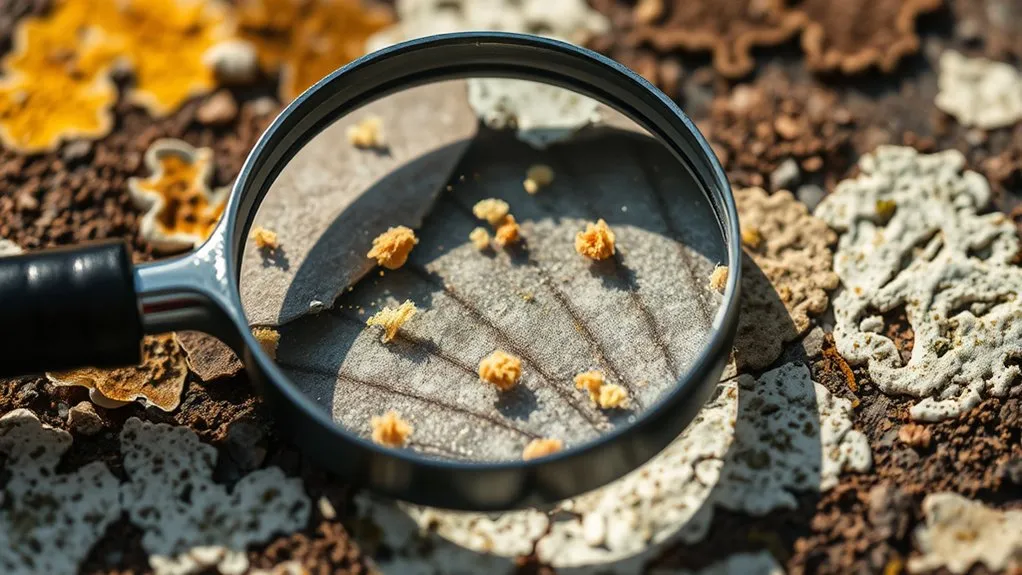
When it comes to detecting mold in a building, visual inspections play an essential role by serving as the starting point in the assessment process.
You begin with a non-intrusive visual inspection to identify mold growth and mold contamination. While this initial step can’t confirm the full extent of the problem, it’s vital for spotting moisture intrusion and areas that might encourage mold development.
By using tools like moisture meters and infrared cameras, you can detect hidden moisture that often signals potential mold issues. Although visual inspections don’t predict future problems, they guide you in understanding current conditions.
The findings typically lead to an extensive report containing recommendations for further testing or remediation, ensuring a thorough mold assessment process.
You’ll find that swabs and tape samples play a key role in identifying mold in specific areas, offering a straightforward approach to confirm its presence without measuring how much mold there is.
Meanwhile, air sampling stands out for its ability to provide an extensive look at mold spore concentrations in the air, which is critical for understanding potential health risks.
Swabs and tape sampling play an essential role in mold inspection, offering a simple yet effective method for identifying the types of mold present in a specific area. By focusing on localized areas, these methods help confirm mold presence through surface samples.
Swabs collect mold from surfaces using sterile tools, while tape sampling captures visible mold fragments. Though helpful in identifying mold types, these methods don’t quantify contamination extent or assess air quality.
Interpretation by lab technicians can vary, introducing potential inconsistencies. Dormant molds may be detected, but their presence doesn’t always indicate a significant health risk or concern for air quality.
For a thorough assessment, these techniques should be part of a broader strategy in mold inspection.
Air sampling stands as an essential technique in mold inspection, offering a scientific approach to confirm the presence of mold spores in indoor environments. By collecting samples from various locations and comparing them with outdoor air, you can assess mold concentration and viability.
This process is vital for evaluating indoor air quality, especially in areas with visible mold or moisture problems. Mold contamination can lead to health problems, and understanding spore levels helps pinpoint potential risks.
Through mold testing, you gain valuable quantitative data on spore concentration, guiding effective remediation strategies.
Remember, environmental factors like seasonal and diurnal changes can affect mold spore counts, so interpreting the results requires careful consideration.
Use air sampling to guarantee thorough mold inspection and promote a healthier indoor environment.
Detecting mold in indoor environments is essential for maintaining healthy air quality, and air sampling stands out as a key technique for this purpose. It quantifies mold spore concentrations, confirming mold presence and potential health impacts. By capturing spores from multiple locations, air sampling offers a thorough view of indoor air quality, unlike localized methods.
Here’s why it’s important:
Embrace air sampling to guarantee a healthier indoor environment.
When you need to uncover mold hidden behind walls or under floors, you’ll turn to intrusive methods, which involve the careful removal of building materials like drywall.
This approach helps expose concealed mold that non-intrusive techniques might miss, though it requires careful steps to minimize property damage.
While intrusive testing can reveal hidden mold sources, it’s important to remember it doesn’t guarantee a full assessment of the entire property’s mold situation.
Although non-intrusive methods are often preferred for their minimal disruption, sometimes you need to go a step further with building material removal to effectively uncover hidden mold.
Intrusive methods during mold inspection involve removing building materials to reveal hidden mold infestations, vital when other testing methods fail to identify mold contamination.
Here’s why you might consider this approach:
While disruptive, removing building materials helps in pinpointing and resolving mold problems, preventing future growth.
Uncovering mold that lurks behind walls or under floors often requires taking a more hands-on approach.
Intrusive methods in mold inspection, such as removing drywall or flooring, help reveal hidden mold that visual inspection and air samples might miss. These methods are usually a last resort when other testing approaches fail to provide clear evidence of mold presence.
While intrusive testing can confirm contamination, it doesn’t assess the full extent or impact on air quality, which might need further evaluation.
You should plan carefully when considering these disruptive techniques, as they can affect the building’s structure.
Ultimately, by examining environmental conditions and employing these intrusive methods, you can effectively uncover and address potential health risks posed by hidden mold.
Before diving into intrusive methods for detecting hidden mold, it’s essential to understand the step-by-step process that guarantees both effectiveness and safety.
When mold inspection using non-intrusive techniques doesn’t reveal the full extent of mold contamination, an intrusive approach might be necessary. This involves physically removing parts of the structure, like drywall or flooring, to expose hidden mold.
Here’s how to proceed:

Collecting and analyzing mold samples is an essential step in evaluating indoor air quality and determining the extent of mold contamination.
During a mold inspection, sample collection methods like air sampling, surface sampling, and bulk sampling play vital roles. Air sampling captures mold spores from indoor air to assess contamination levels and potential health risks by comparing them with outdoor air.
Surface sampling, using swabs or tape lifts, gathers localized data on mold species and concentrations from affected areas.
Bulk sampling involves removing materials suspected of mold growth for a detailed laboratory analysis. This analysis identifies specific mold species and concentrations, providing insights into the contamination levels.
Understanding these aspects informs effective remediation strategies, ensuring a healthier indoor environment.
After understanding the significance of mold sample collection and analysis in evaluating indoor air quality, it’s important to explore the differences between thorough and limited mold inspections.
A thorough mold inspection includes a detailed, non-invasive visual examination, moisture measurements, and collection of mold samples according to standardized procedures. This results in an extensive report detailing moisture intrusion and visible mold growth.
In contrast, a limited mold inspection focuses on specific areas defined by the inspector, addressing only visible mold and moisture signs.
Here’s what differentiates the two:
While the presence of mold in indoor environments may seem benign at first glance, it’s important to recognize its potential impact on health and safety.
Mold can produce allergens and irritants, leading to respiratory problems and allergic reactions, especially in sensitive individuals like those with asthma. Indoor air quality can deteriorate quickly due to mold contamination, making mold inspection and testing imperative.
Symptoms like coughing, sneezing, and eye irritation are common signs of exposure, underscoring the need for early detection. Certain molds, such as Stachybotrys chartarum, pose more severe health risks, including chronic respiratory issues.
To protect your health, regular inspections and moisture control are crucial. These strategies guarantee that mold doesn’t compromise indoor air quality or your well-being.
You’ve explored mold inspection and testing techniques, and now you know the irony: spotting mold isn’t just about seeing it. While visual inspections play a pivotal role, they often miss hidden threats. Scientific techniques and air sampling guarantee the air you breathe is clean, even when mold lurks unseen. Intrusive methods, though a bit inconvenient, reveal what the eye can’t. Ultimately, understanding these methods prioritizes your health, keeping your indoor environment safe and sound.