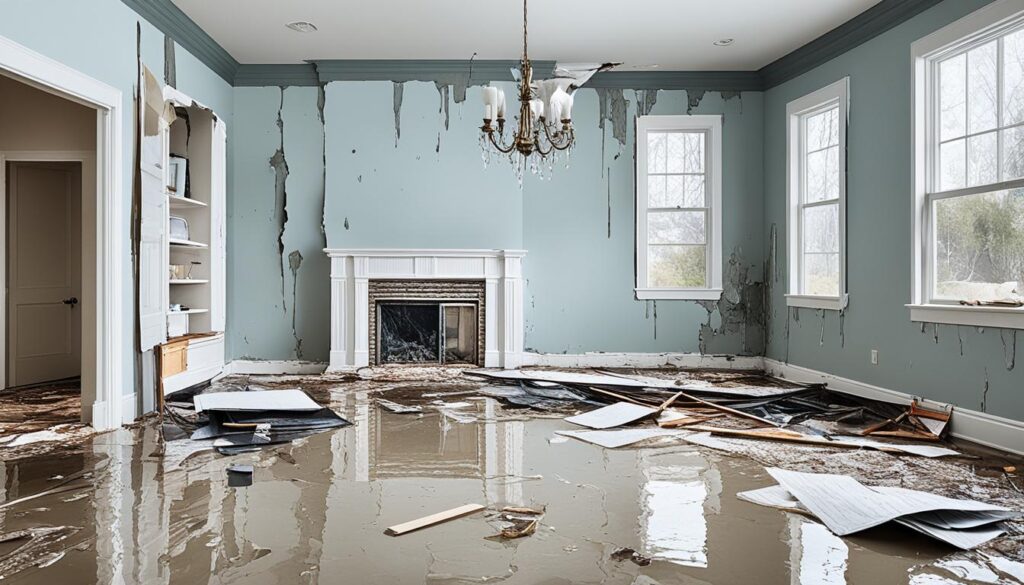
Each year, one in fifty homeowners files a claim for water damage. This shows how quietly water can damage homes. As homeowners deal with this damage, figuring out insurance claims can add to the stress. We’re here to share important tips for water damage claims. These tips help you get the most from your insurance. Knowing how to prepare water damage documents is key. It can speed up your claim and help you recover faster from this unplanned event.
Recovery starts with focusing on the details. From the first signs of water damage to listing all losses, every detail matters. Many things affect how fast and how much settlement you can get. Now, it’s easier to document evidence digitally, but it’s often forgotten in the rush to fix the damage. With our expert water damage claim tips and careful assessment, homeowners can feel in control. This confidence helps secure the needed funds for full repairs.
Keep an eye out as we reveal effective yet simple strategies. They could help you greatly when filing water damage insurance claims.
Dealing with water damage at home demands quick and careful action. It’s key to document everything well to support your insurance claim. This process must be detailed and precise, covering all affected areas and items.
This ensures you can share a complete claim with your insurance, affecting the result. With the right approach, documenting water damage for insurance can be effective.
Right after water damage happens, assess and document the damage right away. Start by recording the condition of your home and belongings. Do this before cleaning up to keep an accurate record.
As you clean and fix things, keep noting down any new damage you find. This careful recording is very helpful when you talk to your insurance about the damage.
Photos play a big part in documenting water damage. A water damage photo checklist helps you not miss important shots. Make sure to take wide and close-up pictures of the damage, including structural parts like walls and floors.
Also, snap pictures of serial numbers and info for affected electronics and appliances.
After you assess the damage and take photos, organize all your documents. Making a detailed list with descriptions and values helps. Keep all documents, like photos and receipts, in folders, both digitally and physically.
This keeps everything together, making the insurance claims process smoother. An organized way helps you communicate better with everyone involved.
In the end, documenting water damage thoroughly is crucial for your claim. By assessing damage, following a photo checklist, and organizing documents, you set up a strong claim. The details and accuracy of your documentation greatly impact your insurance claim’s success.
At first, filing an insurance claim for water damage might seem tough. But knowing the steps for filing a water damage claim can make things less stressful. It helps homeowners get the money they need to fix their property. Let’s take a closer look at the key steps of the water damage insurance claim process. This will show what policyholders can expect.
Insurance policies vary, which can greatly affect your claim’s outcome. Below is a table that compares different insurance companies’ policies.
| Insurance Company | Coverage | Deductible | Claim Support | Resolution Timeline |
|---|---|---|---|---|
| Company A | Comprehensive water damage | $500 | 24/7 claim hotline | Within 30 days |
| Company B | Limited to plumbing issues | $1000 | Online support only | 45-60 days |
| Company C | Excludes flood damage | $750 | Dedicated adjuster | 30-45 days |
When dealing with insurance claims, acting quickly and keeping detailed records are crucial. The sooner you talk to your insurer and submit a detailed claim, the easier it gets. Remember, claims can be negotiated. Knowing your policy well and taking charge can improve your chances of a better outcome.
“Good preparation and knowing your insurance policy well are key to a successful water damage claim. They give homeowners the confidence to go through the process.”
If you find the process hard or feel stressed, think about getting a public adjuster or legal advice. These experts can offer great support. They can help make sure your claim covers as much as possible and that you get a fair payment for the water damage.
Acting quickly is crucial when you find water damage. It may feel overwhelming, but it’s important to start on the initial steps after water damage right away. Here’s what you need to do to protect your home and things after finding water damage.
The first thing to do is make sure everyone is safe by shutting off water and power in the affected areas. This helps stop more damage and keeps you safe from electrical problems. Find and turn off the main water and power switches quickly.
Some parts of your property might still be dry. It’s key to protect property that isn’t wet yet. Move things to dry areas and cover furniture with plastic. This helps keep more of your stuff safe from water damage.
After you’ve made sure everyone is safe, tell your insurance company about the water damage. Talking to them soon can help speed up your claim and they’ll tell you how to work with a water damage repair service.
| Action Item | Immediate Steps | Notes |
|---|---|---|
| Safety First | Shut off water and power | Prevents electrical hazards and further water flow |
| Property Protection | Move belongings to dry areas | Shield unaffected property from potential damage |
| Insurance Communication | Contact your provider | Initiates the claim & guides further restoration action |
By taking these important steps, you can act firmly to handle the situation. Remember, staying safe is the top priority. Keeping calm will help you manage this unexpected problem better.
We’re wrapping up our deep dive into handling water damage insurance claims. Preparation is everything. From discovering water damage to settling claims, the steps we take are crucial. They greatly impact our insurance outcome. This guide aimed to help homeowners. It highlighted the need for good record-keeping, understanding the claims process, and quick action.
Keeping a vigilant eye and staying organized is essential. Document every bit of water damage with clear photos. Keep a detailed timeline and organize all your claim documents well. By doing this, you’re not just protecting yourself. You’re also ready to face complex talks with your insurance company.
Our final takeaway is this: Knowledge and preparation are powerful. They help you understand your policy, protect your home, and gather evidence of damage. With this info, you can make smart decisions, negotiate well, and get what your insurance owes you. Although we hope you’ll never face water damage, being informed makes a big difference if you do.
Every year, water damage and freezing lead to nearly 30% of all homeowners insurance claims in the U.S. This stresses the huge importance of Understanding Water Damage Insurance. With unpredictable weather, it’s clear why knowing Navigating Water Damage Coverage is essential. It’s not just about money—it’s also about having peace of mind.
Finding the right Insurance Coverage for Water Damage might seem overwhelming. But when you learn more about your policy and what it covers, things get clearer. Having this knowledge lets you protect your home against unexpected water-related losses.
Water Damage Insurance Coverage is key for property owners to understand. Knowing what is covered and what is not helps when water mishaps occur. It’s essential to know the details to effectively handle situations.
Insurance can be a lifesaver when dealing with water damage. It mainly covers sudden events like plumbing leaks, burst pipes, and storm damage. This Insurance Coverage for Water Damage Claims helps with costs for fixing or replacing damaged items.
It’s crucial to know some water damages won’t be covered. Gradual leaks and floods are usually not included. Also, lack of maintenance and mold may not be fully covered. Policyholders should check their Water Damage Coverage in Insurance Policies for these exclusions.
Maintaining your property is vital for insurance coverage. Regular checks and fixes prevent water damage. This ensures your Water Damage Insurance Coverage remains valid. Keeping up with maintenance means you’re more likely to be covered if something unexpected happens.
To lower water damage risks, combine prevention and proactive steps. Being ready cuts down on property damage and costly fixes. You also avoid big insurance claims.
Tell your employees and subcontractors about how water damage can happen. Keep teaching them to stay ready. Check your sites often. Inspections of job sites can spot early problems like bad pipes or roofs. This can stop water damage before it starts.
Think about weather conditions when planning projects. Especially during extreme weather seasons. Early actions, like fixing structures and cleaning drains, reduce damage risks.
Remember, the key to Preventing Water Damage is taking action before it happens. Put in effort early to save from big troubles later.
If water damage does happen, act fast to limit more damage. Quick actions help manage the situation and lessen the effect.
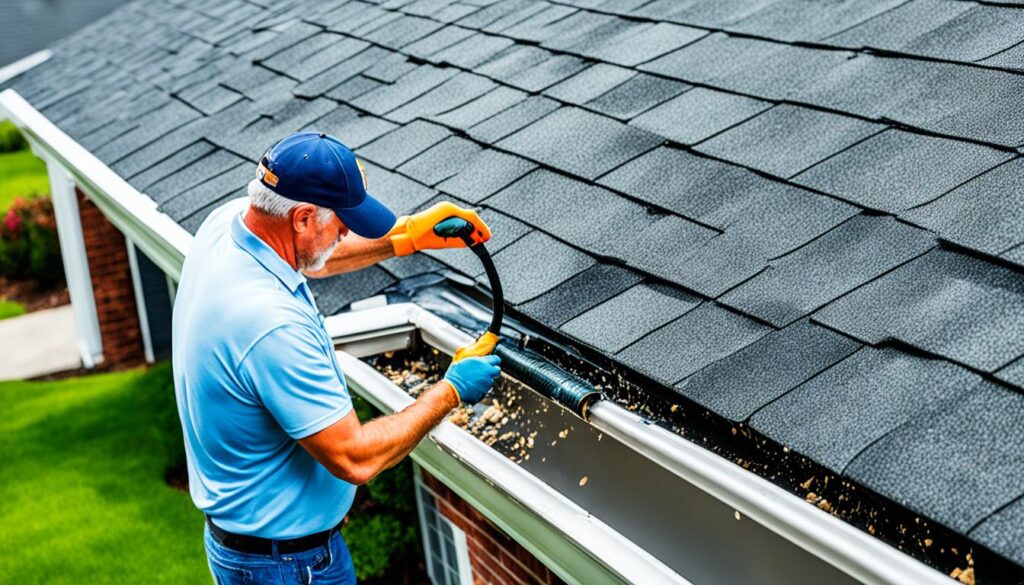
Insurance helps after damage happens, but stopping damage is key. With frequent checks, staying alert, and reacting fast, you can cut down water damage risks. This protects your property’s safety and future.
Discovering water damage in your home can be stressful. Acting fast is crucial for a successful insurance claim. Knowing how to properly file a Filing a Water Damage Insurance Claim and taking the right Steps to Take After Water Damage helps smooth the process.
Act quickly when you find water damage. Stop the water source to avoid more damage. Sometimes, you might need an expert’s help. Move belongings to a safe place. This can save things and simplify your claim. Acting fast sets the stage for an easier claims process and less damage.
Good documentation is key for insurance claims. Take pictures and videos of the damage carefully. This provides solid proof for the insurance company. Keep a list of damaged items and any repair receipts. This proves the costs of your claim.
Call your insurance as soon as you can to start the claim. Share all details clearly and provide your evidence. Keep track of all talks, bills, and repair efforts. Organized records help make the claims process smoother. This can lead to a better outcome with your insurer.
Every day, 14,000 people in the United States face water damage at home or work. This makes water damage claims very important for property owners. Knowing how to handle insurance claims is crucial. This guide will help you understand and manage water damage claims. It offers insights and steps to help you succeed.
Understanding insurance claims and their financial impact is vital. Once you spot water damage, you need to act fast. Taking quick action and paying close attention to details can simplify your insurance claim. This article explains key strategies for handling insurance claims smoothly. It aims to ease the stress of this challenging process.
When your property faces water damage, acting fast is crucial. Quick actions can help avoid more damage, speed up recovery, and smooth out insurance claims. Here’s what you should do right away.
The first key step is to document the water damage. Once it’s safe, start taking detailed photos and videos of the damage. Capture everything—damaged areas, water levels, and specific items affected. This evidence is crucial for your insurance provider.
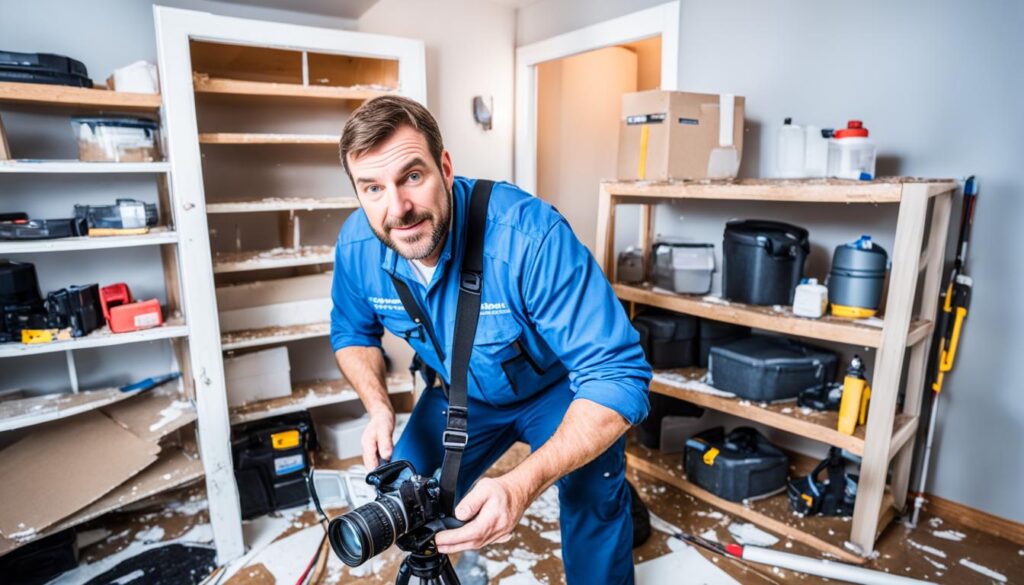
Your next step is to protect your property. If a burst pipe caused the flooding, turn off the water main. Board up any broken windows or doors to stop more water from getting in. Move things that are still dry to a safe place. Doing this also shows your insurance you’re trying to limit the damage.
Start talking to your insurance provider right away. The sooner you contact them, the quicker the claim process will start. Give them your damage documentation and ask about the next steps. Find out about emergency services or approved vendors to begin your repairs fast.
Knowing your insurance coverage and limits is also critical. Look over your policy carefully. Pay attention to what’s not covered and any deductibles. Get to know terms like Actual Cash Value (ACV) and Replacement Cost Value (RCV). These will affect your claim’s outcome.
| Insurance Term | Description | Impact on Claims |
|---|---|---|
| Deductible | The amount you pay out of pocket before insurance kicks in. | This affects the net claim amount you may receive. |
| Actual Cash Value (ACV) | Reimbursement for property loss taking depreciation into account. | May result in lower compensation due to item devaluation. |
| Replacement Cost Value (RCV) | Coverage for the cost of replacing damaged items with new equivalents. | You receive full replacement value, disregarding depreciation. |
| Exclusions | Specific conditions or properties not covered by your policy. | Helps identify which damages are not claimable. |
By following these steps—documenting water damage, protecting your property, talking to your insurer, and understanding your policy—you can manage the chaos and start recovering smoothly.
The insurance claims process is complex, especially for water damage. It’s important to have clear guidance. We will show you how to go through this efficiently. This includes knowing the steps to file a claim and how to overcome challenges.
When you find water damage, act fast. Notify your insurance provider about your claim. Quick action is key to a successful claim.
The key to a smooth insurance claims process is thorough documentation—make it comprehensive and make it timely.
Good records are crucial in a water damage claim. Insurers need proof of the damage. So, it’s essential to take photos and videos, and write down what happened.
Next, you need a ‘proof of loss’ document. List everything lost and submit this claim. Being accurate and detailed here is critical for your claim.
Insurance adjusters will review your claim. Knowing your policy details is essential. Be clear about what’s covered and your deductibles. This guides your negotiation.
Be ready for discussions with adjusters. Keep your records organized. Follow up regularly to keep things moving.
Patience is important in these claims. Water damage claims take time. Stay calm and follow through for better results.

To manage the insurance claims process well, be proactive and informed. The aim is to fix the water damage. A well-handled claim is a big step towards fixing your property.
As we wrap up this guide, remember, dealing with insurance claims is key to recovering from water damage. We’ve outlined steps from discovery to filing your claim carefully. This guide aims to make a stressful time a bit easier. It highlights quick action, good record-keeping, and talking clearly with your insurance.
Keeping detailed records is crucial in insurance claims. It’s important to know your policy well and work closely with the adjuster. These steps are your foundation for a successful claim. Being patient and informed can really make a difference.
This guide aims to light your way through insurance claims after water damage. We’ve shared knowledge to help you handle your claim. But, getting professional advice is also key. Remember, with the right guidance and strategy from this guide, you can tackle your water damage claims. You’ll come out stronger after this challenge.